Expert Support

From Trash to Treasure: Amazing Aluminum Can Sculptures
The Art of Change: Turning Trash into Beauty
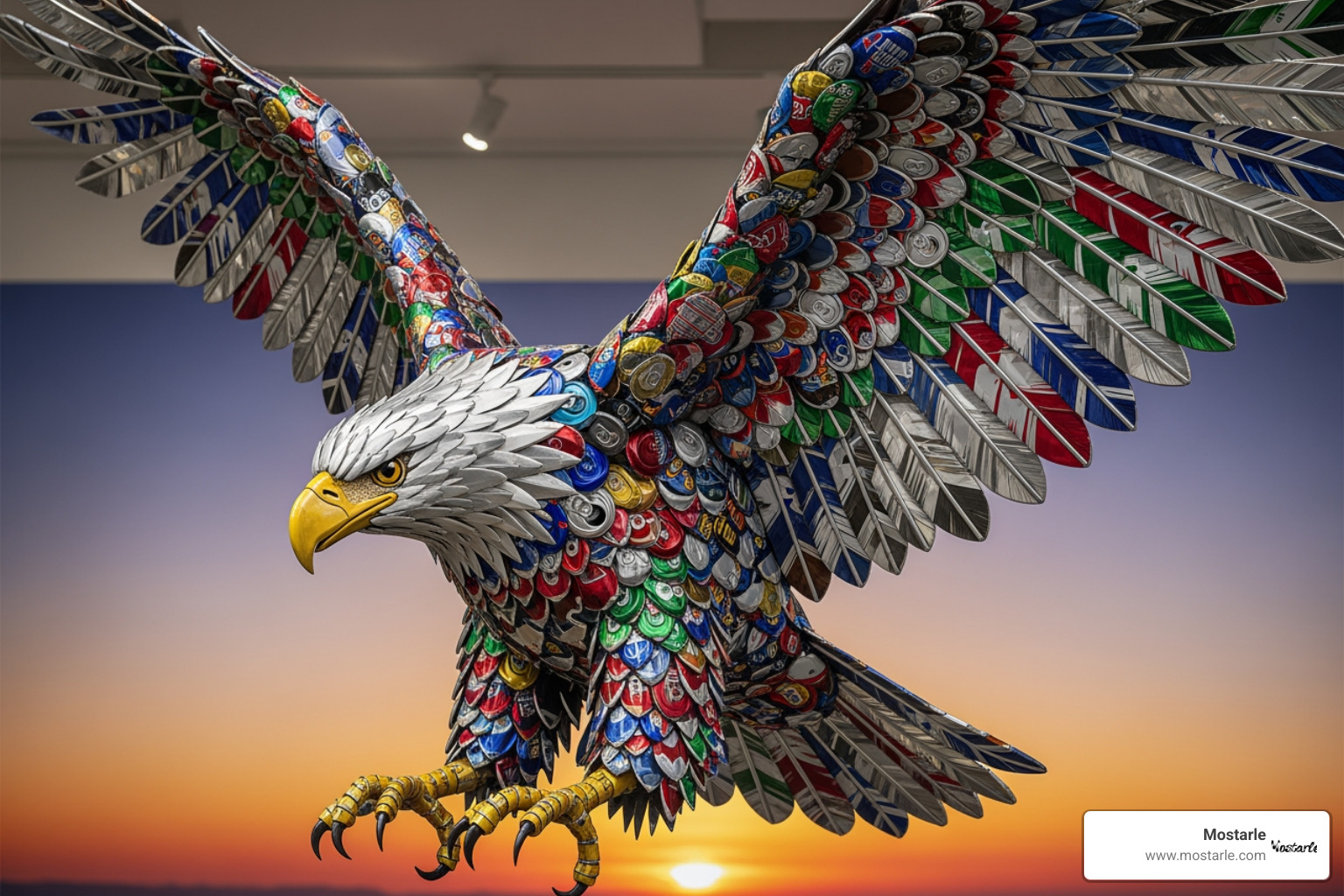
Aluminium can sculpture transforms everyday beverage containers into stunning works of art. Artists around the world crush, cut, coil, and press discarded cans into intricate patterns, cultural statements, and elaborate installations—proving that creativity knows no bounds.
What You'll Find About Aluminum Can Sculpture:
- Prominent Artists: Noah Deledda (hand-pressed geometric patterns), Gerald Clarke Jr. (cultural basket sculptures), Makaon (pop-culture icons)
- Key Techniques: Thumb-denting and pressing, cutting and assembling, crushing and coiling, embossing patterns
- Notable Works: A record-breaking sculpture using 104,840 cans in Japan, a six-foot beer-can basket at the Autry Museum, an infinity symbol from 1,200+ cans in London
- Core Message: Environmental awareness through upcycling, challenging perceptions of waste and value
- Where to View: Artist websites, online galleries, museum exhibitions, art festivals
Detroit-born artist Noah Deledda captures the essence of this art form perfectly—he uses nothing but his thumbs to transform ordinary aluminum cans into intricate geometric sculptures. What others see as trash destined for the recycling bin, artists like Deledda see as raw material for extraordinary creations.
This change from disposable container to treasured artwork reflects a growing movement. Artists aren't just making pretty objects—they're making statements about consumer culture, environmental responsibility, and the hidden potential in everyday materials.
Whether you're seeking inspiration for your own creative projects or simply want to see how far artistic vision can stretch, aluminum can sculpture offers endless possibilities. From hand-pressed patterns that take hours of meticulous work to massive community installations built from thousands of cans, this art form proves that limitation often breeds the most remarkable innovation.
The Artists Elevating the Everyday Can
We often walk past discarded aluminum cans without a second thought, seeing them only as waste. Yet, a growing community of artists sees them as a vibrant, versatile medium, ready for change. These visionary creators are taking the humble aluminum can and pushing the boundaries of what's possible, crafting breathtaking aluminium can sculptures that challenge our perceptions of art and value. Let's meet some of these prominent artists and explore the diverse ways they approach this unique art form.
Geometric Precision and Handcrafted Detail
One of the most captivating approaches to aluminium can sculpture comes from artists like Noah Deledda. Deledda, a Detroit-born artist, is renowned for his ability to transform ordinary aluminum cans into mesmerizing works of art using nothing but his own hands. His technique involves carefully pressing and creasing intricate geometric patterns directly into the surface of plain cylindrical cans. It's a process that relies on carefully placed pressure from his fingers and the edge of his nails, turning what might seem like accidental damage into deliberate, flawless design.
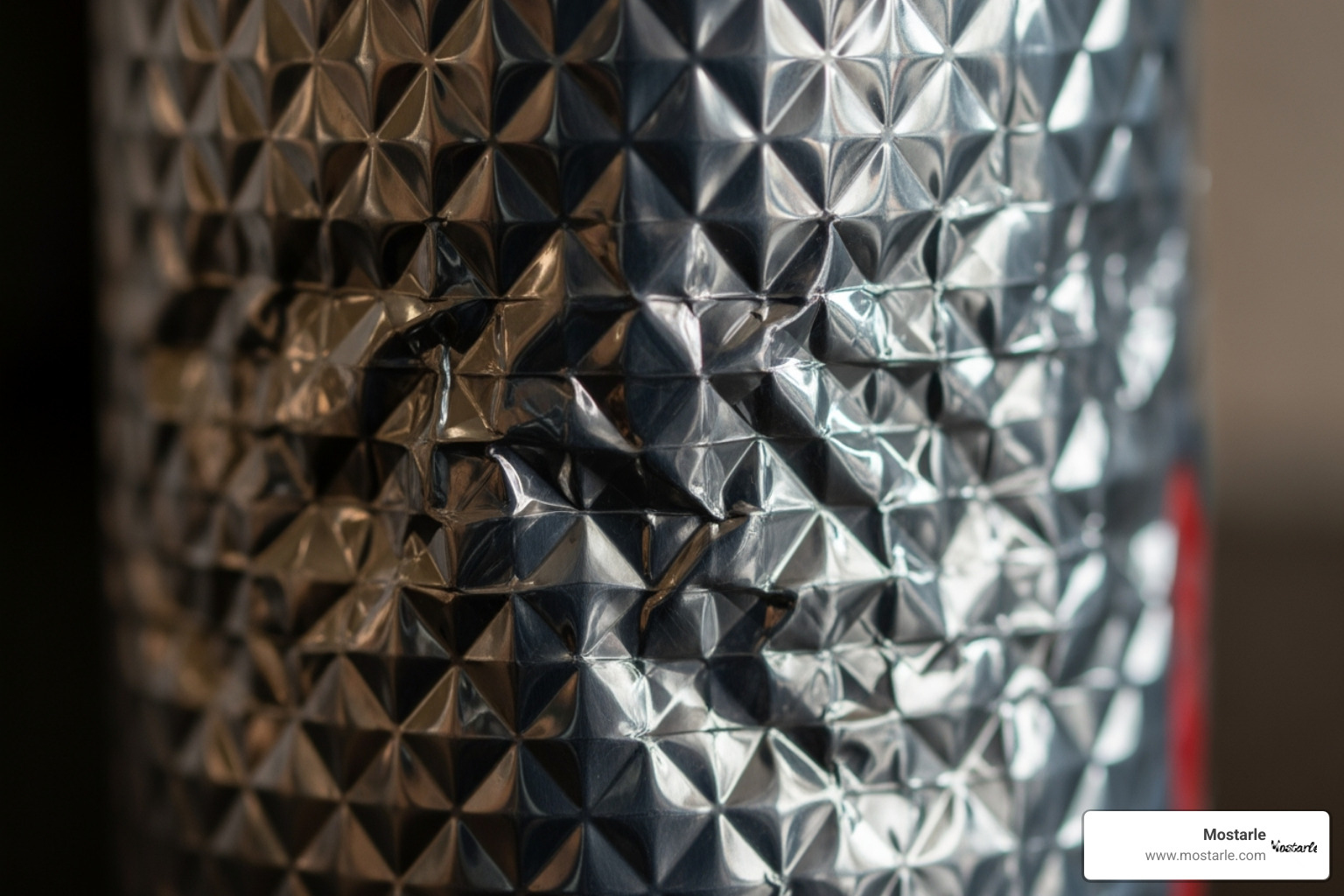
What's truly remarkable about Deledda's work is his rejection of specialized tools or machine-led manipulation. He believes in the power of the human touch, developing his unique indentation technique through years of trial and error. Before he begins, he often scratches away the can's commercial design, revealing the raw aluminum material beneath. This act in itself is symbolic, stripping away the commercial facade to expose the pure potential of the material. The finished pieces are often framed in glass boxes, elevating them from disposable objects to cherished artworks. His work is a testament to the beauty that can be found in manual craftsmanship and the idea that "damage" can be re-imagined as design. You can explore more of his incredible work on his website or Instagram. We certainly find his dedication to detail inspiring!
Weaving Culture and Commentary
Beyond aesthetic appeal, aluminium can sculpture can also serve as a powerful vehicle for cultural expression and social commentary. Californian artist Gerald Clarke Jr., a member of the Cahuilla Band of Indians, exemplifies this approach. Growing up on a cattle ranch, Clarke learned resourcefulness from an early age, building things from available materials—experiences he now views as his early forays into sculpture.
Clarke's unique sculptures are created by crushing and coiling used aluminum beverage cans, changing them into large, basket-like forms. His "Basket" series is particularly poignant, celebrating the centuries-old Cahuilla basket-making tradition while simultaneously addressing contemporary issues faced by tribal members, such as alcoholism and diabetes. His work beautifully blends tradition with modern, discarded materials, offering a rich cultural reflection.
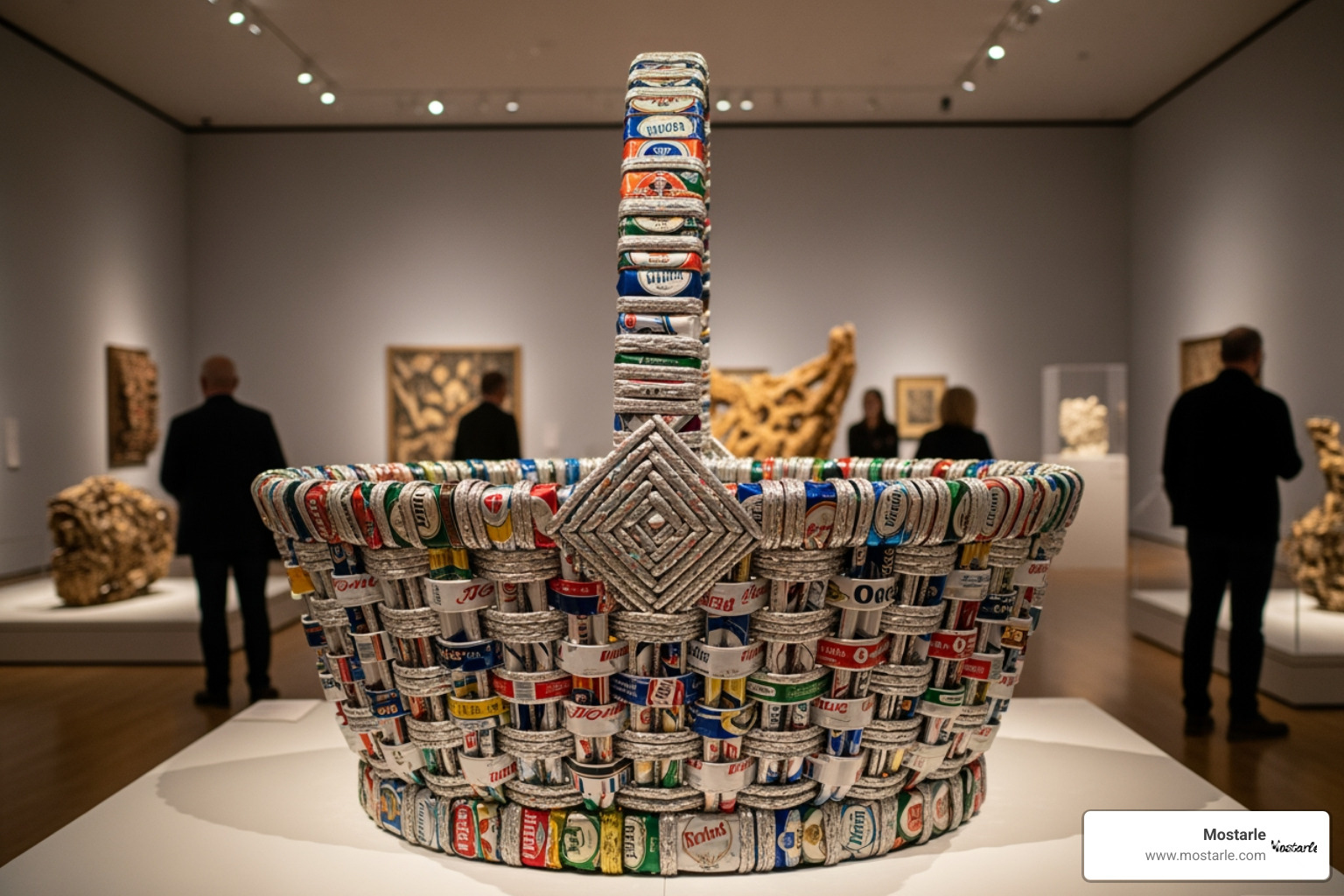
We were particularly struck by his commissioned piece, 'Continuum Basket: Flora,' a six-foot-diameter beer-can basket created for the Autry Museum of the American West in Los Angeles. This monumental work comments on how development, technology, and industry impinge on desert lands, showcasing how art made from recycled materials can effectively highlight environmental concerns. Clarke's art reminds us that even humble materials can carry profound messages and connect us to deep-rooted heritage.
Pop Culture Reimagined in Metal
For some artists, the allure of the aluminum can lies in its potential for intricate detail and vibrant color, perfect for bringing beloved pop-culture icons to life. Japanese artist Makaon, for example, has garnered significant attention for his incredibly detailed sculptures of popular characters, all carefully crafted from discarded aluminum cans.
Makaon's subjects range from superheroes like Batman and Ultraman to video game legends like Mario and Luigi, and even beloved animated characters like Pikachu, Sgt. Frog, Catbus, and Darth Vader. His artistic process involves careful cutting and assembling of different parts of cans, often seeking out specific can labels for their color. For instance, he's known to track down peach-colored labels to achieve accurate skin tones for characters like Mario and Luigi. This dedication to color-matching and meticulous assembly results in sculptures that are instantly recognizable and surprisingly lifelike.
What Makaon creates is a form of assemblage art, where individual pieces of metal, once part of a mass-produced item, are carefully re-contextualized to form something entirely new and unique. His work highlights the versatility of aluminum as a medium and proves that even the most disposable items can be liftd into detailed, engaging works of art. It's a playful yet powerful demonstration of how recycled materials can be used to celebrate and comment on contemporary culture.
From Can to Canvas: Techniques of Aluminium Can Sculpture
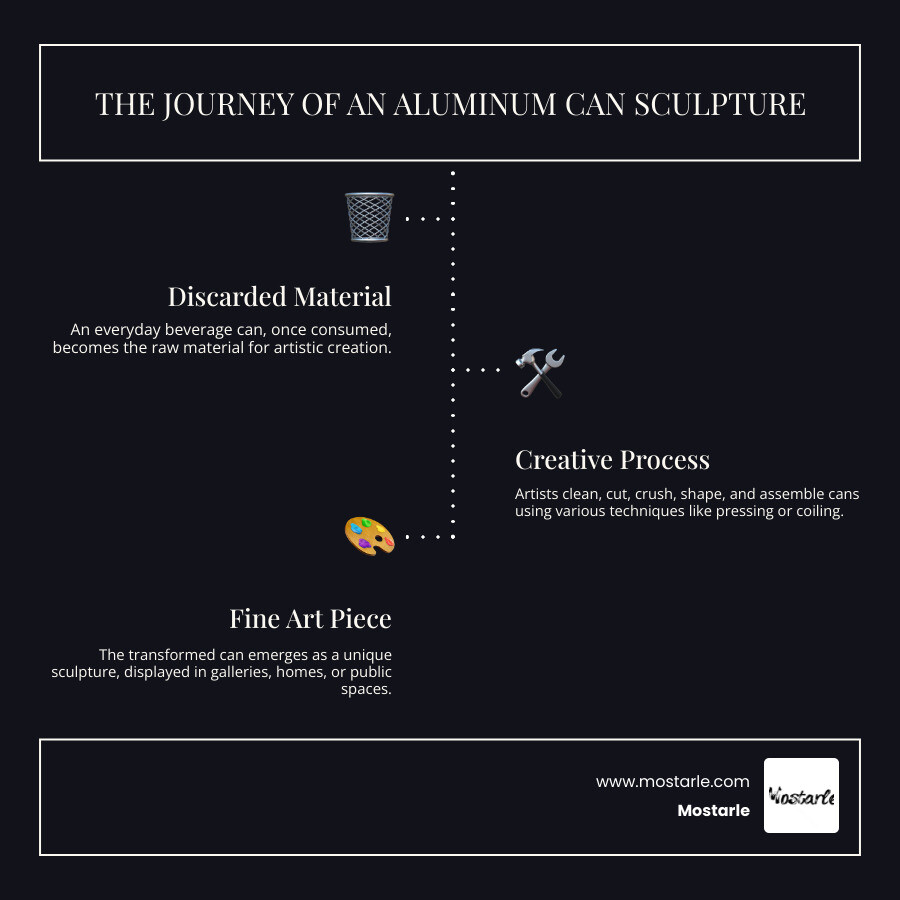
The journey from a discarded beverage container to a captivating aluminium can sculpture involves a fascinating array of techniques. Artists, much like us at Mostarle when we craft our unique models from nuts and bolts, see the inherent potential in everyday materials. They employ various methods to transform the thin, pliable metal into complex forms, demonstrating remarkable ingenuity and skill. Let's dig into the processes that turn trash into treasure.
Shaping and Forming the Metal
The primary challenge and reward of working with aluminum cans lie in their unique material properties. Aluminum is lightweight and surprisingly malleable, yet it can also be razor-sharp when cut. Artists leverage these characteristics in diverse ways:
- Denting and Pressing: As seen with Noah Deledda, this involves applying targeted pressure to create geometric patterns and textures on the can's surface. It's a subtle yet impactful technique that uses the can's inherent cylindrical shape.
- Creasing: Similar to denting, creasing creates sharp lines and angles, adding structure and definition to the sculpture.
- Coiling: Gerald Clarke Jr. expertly employs coiling, where strips of aluminum are wrapped and intertwined to build up forms, much like traditional basket weaving.
- Weaving: More intricate than coiling, weaving involves interlacing thin strips of aluminum to create fabric-like textures or structural elements within a sculpture.
The challenges often include the material's fragility—one wrong bend can ruin a piece—and the need for extreme caution due to sharp edges. However, the rewards are immense: the unique metallic sheen, the ability to create shimmering, reflective surfaces, and the satisfaction of changing a disposable item into something lasting and beautiful.
Getting Started with your own aluminium can sculpture
If you're feeling inspired to try your hand at aluminium can sculpture, we encourage you to start with some basic techniques. Many artists begin by creating decorative elements or wall art from flattened can sheets. We've seen some fantastic tutorials on how to make shimmering wall art from recycled cans, and it's a great entry point!
The process often begins with:
- Preparation: First, thoroughly rinse and dry your aluminum cans. Safety is paramount here; the edges of cut cans can be incredibly sharp.
- Cutting Can Sheets: Using a utility knife or strong scissors, carefully cut off the top and bottom of the can. Then, make a single vertical cut down the side to flatten the can into a sheet. Always wear heavy-duty safety gloves and goggles during this step.
- Punching Shapes: Once you have flat sheets, you can use a circle hole punch or other shape punches to create individual elements. For more complex designs, you might cut specific shapes by hand.
- Drilling Holes: If you're creating pieces that need to be joined or hung, drilling small holes in your punched discs is essential. A great tip we've learned is to stack about 20 discs, clamp them tightly, and then drill through the entire stack. This ensures consistency and saves time. Using one punched disc as a template for consistent hole placement is also a smart move.
- Assembling: Depending on your design, you might assemble pieces using small nails with wide heads (to prevent discs from slipping), hot glue, wood glue for bases, or even pop rivets for a more secure, industrial look. Clamps, like scissor clamps, are incredibly useful for holding pieces or nails in place while you work.
This hands-on approach to crafting, much like our own philosophy of crafting art from everyday tools, proves that with a little imagination and some basic skills, you can create something truly remarkable from what others might discard.
Finishing and Presentation
The final touches on an aluminium can sculpture are crucial for its longevity and aesthetic impact.
- Polishing for Shine: The natural sheen of aluminum is one of its most attractive qualities. Artists might polish certain areas to improve reflectivity or leave others dull for contrast.
- Painting for Effect: While the original can colors are often incorporated, artists might also paint sections of the aluminum to introduce new hues or unify a design.
- Framing for Protection: For delicate pieces, especially those with intricate patterns or cutouts, framing behind glass is essential. This protects the artwork from dust, accidental damage, and preserves its form. Noah Deledda, for instance, frames his sculptures in glass boxes.
- Displaying the Final Piece: Whether it's a shimmering wall hanging designed to catch the breeze or a robust free-standing sculpture, thoughtful display improves the artwork's presence and allows its message to resonate with viewers. For outdoor pieces, applying a polyurethane coat can help protect wooden bases from the elements.
The Message in the Medium: Notable Works and Meanings
Beyond the sheer artistry and technical skill involved, aluminium can sculpture often carries profound messages. These works are more than just aesthetically pleasing objects; they are statements about our environment, consumer culture, and the very definition of value. We believe that art has the power to communicate important ideas, and these sculptures certainly prove that point.
An Environmental Statement in Art
Perhaps the most immediate and impactful message conveyed by aluminium can sculpture is its environmental one. By changing discarded cans into art, artists engage in upcycling, giving new life and purpose to materials that would otherwise contribute to landfill waste. This stands in contrast to simple recycling, which processes materials into new products; upcycling lifts the material itself.
These sculptures serve as a powerful visual reminder of the sheer volume of consumer waste we generate. The infinity symbol made from more than 1,200 recycled drink cans, created by the not-for-profit Every Can Counts and displayed in London, perfectly illustrates this. It not only highlights the importance of recycling but also symbolizes the infinite recyclability of aluminum—a material that can be recycled again and again without losing its quality. Such installations raise awareness and encourage viewers to consider their own environmental impact. They transform a seemingly mundane act of recycling into an artistic statement about sustainability and responsibility.
Monumental Aluminium Can Sculptures
The scale of some aluminium can sculptures is truly awe-inspiring, demonstrating the collective power of creative reuse. These monumental installations often involve community participation, turning the act of creating art into a shared experience.
One of the most impressive examples is the largest aluminium can sculpture ever created, a Guinness World Record holder. This incredible feat was achieved by Junior Chamber International Toyohashi (Japan) in 2013. The sculpture, depicting the historic Yoshida Castle located in Toyohashi Park, consisted of an astonishing 104,840 cans! All the aluminum drink cans were collected from the residents and companies of Toyohashi City, turning a community effort into a grand artistic statement. This project not only created a magnificent artwork but also fostered a sense of collective environmental responsibility and pride.
Such large-scale projects showcase the potential of aluminium can sculpture to bring people together, transcending individual artistic expression to become a shared monument to sustainability and creativity.
Challenging Perceptions of Value
At its core, aluminium can sculpture embodies the "trash to treasure" concept. It fundamentally challenges our perceptions of value by taking an item that is typically seen as disposable and changing it into something precious, thought-provoking, and often expensive.
The accessibility of the materials is a key part of this challenge. Anyone can collect aluminum cans, making the medium democratic and widely available. Yet, in the hands of a skilled artist, these common objects are liftd to fine art. This prompts us to question: What truly makes art valuable? Is it the inherent cost of the materials, the labor and skill involved, the concept behind it, or its ability to provoke thought and emotion?
By seeing a discarded can transformed into a complex geometric pattern, a cultural symbol, or a beloved character, we are forced to re-evaluate our preconceived notions of what is beautiful, what is useful, and what is worthy of artistic attention. It's a powerful statement that creativity has the power to redefine worth, reminding us that beauty and meaning can be found in the most unexpected places. This philosophy resonates deeply with us at Mostarle, as we constantly strive to define your style with custom metal art by changing humble hardware into extraordinary pieces.
Frequently Asked Questions about Aluminum Can Art
As we've explored the fascinating world of aluminium can sculpture, you might have some practical questions about this unique art form. Let's address some of the most common inquiries we encounter.
Is aluminum can art durable?
The durability of aluminium can sculpture can vary significantly depending on the specific techniques used and how the piece is treated. Aluminum, as a material, is rust-proof and relatively stable. However, the thin gauge of beverage cans means the material is inherently lightweight and can be easily dented, bent, or crushed if not handled with care.
Many finished sculptures, particularly those with intricate cut-outs or delicate arrangements, are quite fragile. For this reason, artists often recommend displaying these pieces indoors, away from high-traffic areas where they might be accidentally damaged. If an aluminium can sculpture is intended for outdoor display, it usually requires additional protective measures, such as being encased in a more robust frame or treated with a clear sealant to protect against weather and physical impact. For example, any wooden components used in an outdoor display would need a polyurethane coating. While the material itself is long-lasting, the artistic form created from it may require gentle handling and a protected environment.
How do artists handle the sharp edges of the cans?
Working with aluminum cans requires significant caution, as the cut edges can be razor-sharp and pose a real safety hazard. Artists who specialize in aluminium can sculpture prioritize safety through several key practices:
- Safety Gear: Wearing heavy-duty safety gloves (often cut-resistant) and protective goggles is non-negotiable. This prevents cuts and protects eyes from flying debris.
- Careful Cutting Techniques: Artists use sharp, specialized tools like utility knives or strong scissors, making clean cuts to minimize jagged edges.
- Sanding and Filing: After initial cuts, many artists will carefully sand or file down the sharp edges to make them safer to handle and to give the finished piece a smoother, more refined look.
- Folding or Rolling Edges: For some designs, edges can be deliberately folded over or rolled to create a blunt, safer finish, and sometimes this technique is incorporated into the aesthetic of the sculpture itself.
- Tool Use: Using clamps, like scissor clamps, to hold pieces in place during cutting or assembly also reduces direct contact with sharp edges.
By implementing these safety measures, artists can transform a potentially dangerous material into beautiful, safe-to-display artworks.
Where can I see or buy aluminum can sculptures?
The growing popularity of aluminium can sculpture means there are several avenues to explore if you wish to view or purchase these unique artworks:
- Artist Websites and Social Media: Many prominent artists, like Noah Deledda and Gerald Clarke Jr., maintain active websites and social media profiles (Instagram, Facebook, YouTube) where they showcase their portfolios and often offer pieces for sale directly. This is a great way to connect with the artist and understand their vision.
- Online Galleries and Marketplaces: Platforms specializing in contemporary art, recycled art, or craft often feature aluminium can sculpture. These marketplaces can provide a curated selection from various artists.
- Art Festivals and Craft Fairs: Local and regional art festivals are excellent places to find emerging artists and see their work firsthand. You can speak directly with the creators and often find unique pieces.
- Museum Exhibitions: As the art form gains recognition, you may find aluminium can sculptures featured in museum exhibitions focusing on contemporary art, environmental art, or assemblage art. The Autry Museum of the American West, for example, commissioned a piece by Gerald Clarke Jr.
- Direct Commissions: If you have a specific vision or a particular type of can you'd like to see transformed, many artists are open to custom commissions.
Whether you're looking for a small, intricate piece or a large, impactful installation, aluminium can sculpture offers a wealth of creative options for art lovers and environmental advocates alike.
Conclusion: The Unlimited Potential of Humble Materials
Our journey through aluminium can sculpture has revealed an art form that is as diverse as it is inspiring. From the meticulous hand-pressed patterns of Noah Deledda to the culturally resonant basket sculptures of Gerald Clarke Jr., and the vibrant pop-culture icons by Makaon, artists are continuously demonstrating the extraordinary potential hidden within the ordinary.
We've seen how techniques like denting, coiling, cutting, and assembling transform simple cans into complex, meaningful artworks. These creations do more than just beautify spaces; they serve as powerful environmental statements, challenging us to rethink our relationship with waste and to appreciate the infinite recyclability of aluminum. They also push the boundaries of what we consider valuable in art, proving that true creativity isn't bound by expensive materials but by vision and skill.
At Mostarle, we share this philosophy wholeheartedly. We believe that creativity truly has no limits, and that changing ordinary, forgotten fragments—like nuts and bolts—into remarkable, creative pieces is a testament to this idea. Just as artists find beauty and purpose in discarded aluminum cans, we find wonder in the industrial components that form our unique models.
The aluminium can sculpture movement is a vivid reminder that inspiration can strike anywhere, and that with a little imagination, patience, and a willingness to see beyond the obvious, we can all contribute to a world where "trash" is redefined as "treasure." We encourage you to explore more unique 3D metal art and puzzles, and perhaps even start your own journey of changing humble materials into something extraordinary.