Expert Support

Build Your Dreams: A Roundup of Top Wooden Model Kits
The Timeless Appeal of Crafting with Wood
Wooden model kits offer a perfect escape from digital screens and mundane routines, providing hands-on creativity that transforms raw materials into stunning displays. These tactile projects range from simple 3D puzzles to intricate mechanical marvels that actually move.
Top Wooden Model Kit Categories:
- Mechanical Models - Gears, engines, and kinetic sculptures with moving parts
- Vehicle Replicas - Classic cars, ships, and aircraft with authentic details
- Architectural Kits - Famous landmarks, dollhouses, and decorative buildings
- 3D Puzzles - Brain-teasing designs that challenge and entertain
- Musical Instruments - Functional models like music boxes and string instruments
The wooden model kit market has exploded, growing from $1.2 billion in 2022 to a projected $2.1 billion by 2030. This surge reflects our collective hunger for meaningful, hands-on activities that produce something tangible and beautiful.
Unlike mass-produced decorations, these kits let you create unique pieces that reflect your personality and skill. Each completed model becomes a conversation starter - a testament to patience, creativity, and the satisfaction of building something extraordinary with your own hands.
Whether you're seeking stress relief after long workdays or want to challenge yourself with intricate engineering, wooden model kits offer that rare combination of mental engagement and creative expression that our screen-saturated world desperately needs.
Getting Started: How to Choose Your First Kit
Choosing your first wooden model kit feels a bit like standing in front of an ice cream shop with dozens of flavors – everything looks amazing, but where do you start? Don't worry, we've all been there. The key is finding that sweet spot between challenge and enjoyment.
Start by being honest about your skill level. There's no shame in starting simple – even experienced builders often return to beginner kits for pure relaxation. If you've never built a model before, look for beginner kits with fewer than 100 pieces and clear, step-by-step instructions. These usually feature pre-cut parts that fit together like a satisfying puzzle, often without needing any glue at all.
Ready for something more challenging? Intermediate kits introduce you to basic tools and techniques. You might need wood glue, a bit of sanding, or some light painting. These projects typically take a weekend to complete and give you that wonderful sense of accomplishment without overwhelming frustration.
For the brave souls seeking a true test, expert-level projects await. These intricate masterpieces can have hundreds of tiny parts and require weeks or even months to complete. Think of them as meditation in motion – perfect for those who love losing themselves in detailed work.
Now comes the fun part – what sparks your imagination? Your interests should guide your choice more than anything else. Love vehicles? You could build everything from vintage race cars to majestic sailing ships or iconic aircraft. Each category offers its own unique building experience and display appeal.
If you're fascinated by architecture, consider famous landmarks or charming miniature buildings. These kits often become stunning conversation pieces that guests can't help but admire.
For those who love watching things move and work, mechanical devices are pure magic. These clever designs feature working gears, spinning parts, and intricate mechanisms that bring your creation to life. The engineering behind these models is truly fascinating – if you're curious about how they work, you'll want to learn more info about mechanical puzzles.
Think about where your finished model will live. A massive ship model needs dedicated display space, while a desktop clock or small mechanical puzzle fits anywhere. Check the size and scale before buying – there's nothing worse than finishing a beautiful model only to realize it won't fit where you planned.
Consider the home decor potential too. Many wooden model kits are designed to be both building projects and functional art pieces. A working clock or music box serves double duty as both hobby achievement and practical home accent.
Before you buy, always check what's included. Most quality kits feature pre-cut parts that fit together perfectly, but some require additional purchases. Some mechanical models pride themselves on glue-free assembly using clever interlocking designs, while others need wood glue to create strong, lasting bonds.
Don't forget about included tools – while basic kits might only need your hands, more complex projects sometimes include specialized tools or require you to have sandpaper, clamps, or hobby knives ready.
The perfect first kit balances your current skills with your interests and fits both your space and budget. Trust your instincts – if a particular model makes you smile just looking at the box, that's probably the one calling your name.
A World of Wonders: Exploring Different Types of Wooden Model Kits
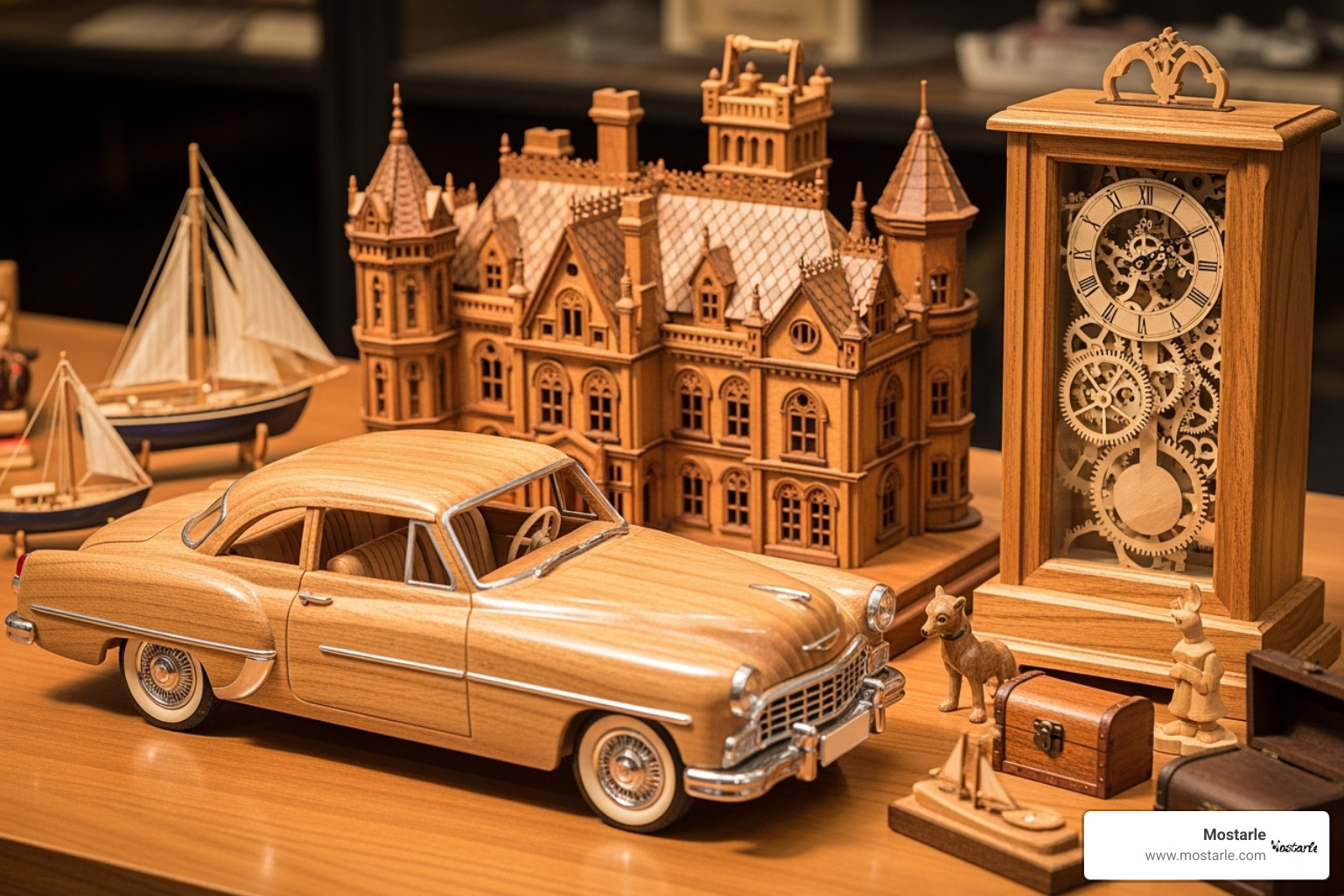
The world of wooden model kits is like a treasure chest waiting to be explored. Each category offers its own unique charm and challenges, whether you're drawn to the mesmerizing movement of mechanical marvels or the timeless elegance of classic replicas. Let's take a journey through these fascinating categories to help you find the perfect project that will capture your imagination.
Mechanical Marvels and 3D Puzzles
There's something absolutely magical about watching a wooden creation come to life before your eyes. Mechanical wooden model kits offer exactly this wonder, changing static pieces into kinetic sculptures that move, rotate, and perform intricate dances of engineering.
These remarkable kits feature working gears that mesh perfectly together, creating mesmerizing motion patterns. Some models include moving levers and rotating wheels that demonstrate basic physics principles in action. The most impressive are the automata - self-operating machines that perform repetitive motions, almost like wooden robots from another era.
What makes many of these kits particularly appealing is their glue-free assembly design. Each piece is precision-cut to interlock perfectly with its neighbors, creating a satisfying puzzle-solving experience. You'll find yourself marveling at how cleverly the designers have engineered each joint and connection.
The beauty of these mechanical marvels lies in their dual nature - they're both brain-teasing puzzles and functional art pieces. As you work through the assembly, you're not just following instructions; you're learning how gears transfer motion, how tension creates movement, and how simple machines can create complex behaviors. For a deeper understanding of these fascinating creations, check out our guide on 3D Wooden Puzzle Features Explained.
Classic Replicas: Vehicles and Vessels
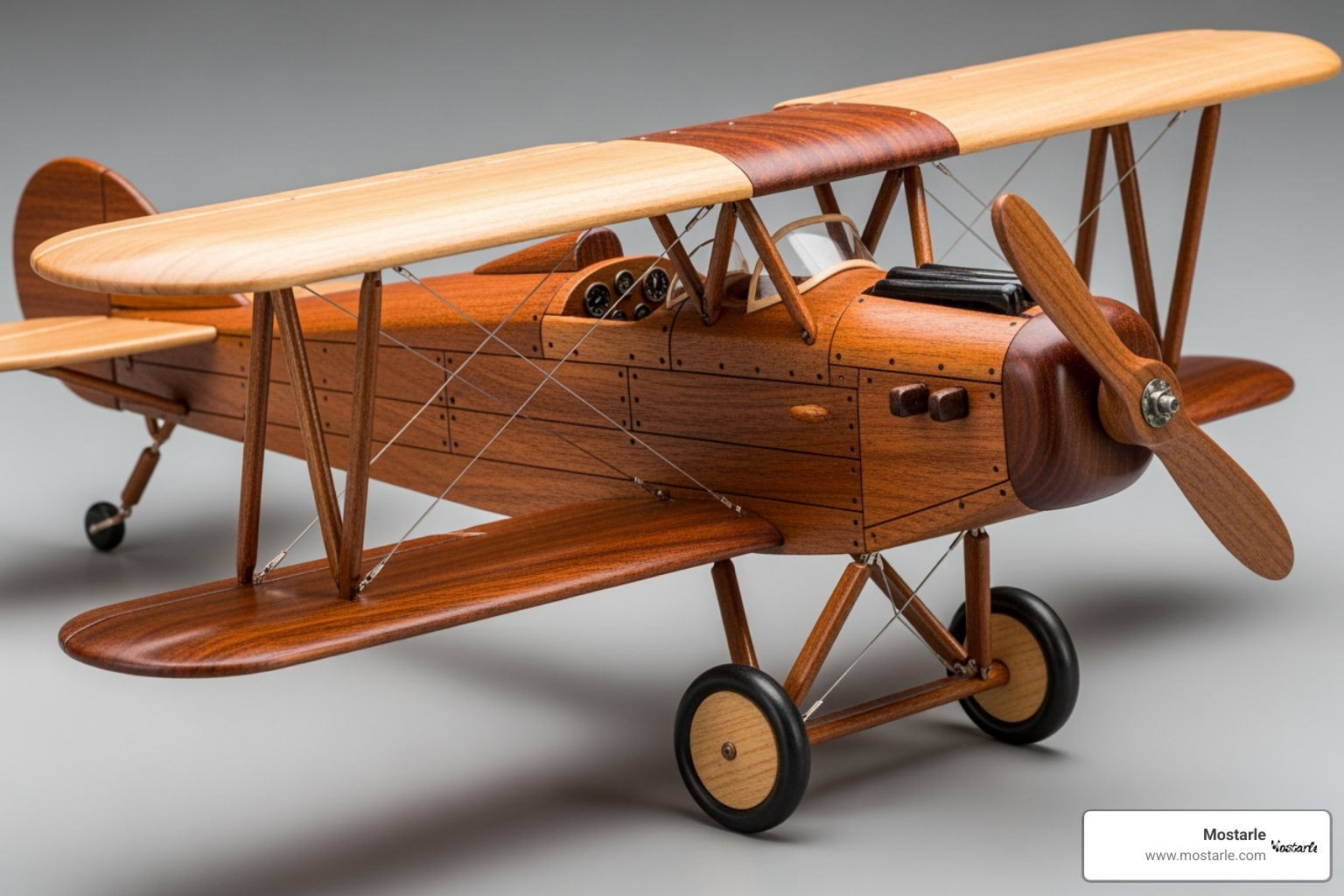
Step back in time and recreate the golden age of transportation with classic replica wooden model kits. These projects let you build stunning tributes to human ingenuity, from the age of sail to the dawn of aviation.
Historic ships remain the crown jewels of wooden modeling. Many feature authentic plank-on-frame construction, mimicking the actual techniques used by shipwrights centuries ago. You'll carefully bend thin wooden planks around the frame, just as craftsmen did when building the real vessels. The attention to detail can be breathtaking - tiny cannons, intricate rigging, and hand-carved figureheads.
Vintage cars offer their own appeal, capturing the neat curves and bold lines of automotive history. These kits often showcase the craftsmanship of classic design, with flowing fenders and detailed engines that celebrate the artistry of early automobile manufacturing.
Famous aircraft models bring the romance of early flight to your workbench. From biplanes to early commercial aircraft, these kits often include hundreds of precisely cut parts that come together to create museum-quality replicas. The satisfaction of completing a detailed aircraft model is immense - especially when you consider you're honoring the brave pioneers who first took to the skies.
What sets these replica kits apart is their commitment to historical accuracy. Designers spend countless hours researching original blueprints, photographs, and museum pieces to ensure every detail is correct. When you complete one of these models, you're not just building a decoration - you're preserving a piece of history.
Architectural and Decorative Kits
If you've ever dreamed of being an architect or interior designer, architectural wooden model kits offer a perfect creative outlet. These projects range from grand monuments to cozy domestic scenes, each offering its own unique building experience.
Famous landmarks let you bring world heritage into your home. Imagine assembling your own miniature version of an iconic building, complete with architectural details that showcase human achievement across cultures and centuries.
Book nooks have captured the hearts of builders everywhere. These delightful miniature scenes slip perfectly between books on your shelf, creating magical windows into other worlds. You might build a tiny library complete with miniature books, a mysterious alley with glowing streetlamps, or a cozy café with tables and chairs smaller than your thumb.
Miniature dollhouses offer endless possibilities for customization and creativity. These projects often become ongoing hobbies, as builders continue adding furniture, decorations, and personal touches long after the initial assembly.
Decorative clocks combine function with beauty, creating timepieces that serve as both practical tools and artistic statements. These kits often incorporate mechanical movements alongside decorative wooden elements, resulting in unique pieces that reflect your personal style.
The wonderful thing about architectural kits is how they blend hobby crafting with home decoration. Each completed project becomes a conversation piece that reflects your patience, skill, and personal taste. Whether displayed on a mantel, bookshelf, or desk, these models add character and warmth to any space.
The Builder's Toolkit: Essential Tools and Techniques
Building wooden model kits is like cooking a favorite recipe - having the right tools makes all the difference between frustration and pure joy. While some kits snap together without any extras, most projects become much smoother when you're properly equipped. Think of your toolkit as your creative companion, ready to help transform those laser-cut pieces into something amazing.
Must-Have Tools for Building Wooden Model Kits
The good news is that you don't need a garage full of expensive equipment to get started. Most wooden model kits require just a handful of basic tools that any craft enthusiast would find useful.
A sharp hobby knife tops our list - it's your precision instrument for trimming excess wood, cleaning up laser-cut edges, and making those tiny adjustments that separate good builds from great ones. Keep extra blades handy because a dull knife can turn smooth cuts into ragged messes.
Sandpaper in various grits becomes your best friend for achieving professional results. Start with medium grit to remove stubborn nubs from cut pieces, then move to fine grits for that silky-smooth finish. Your fingertips will thank you later when you're admiring the flawless surface.
Quality wood glue makes the difference between models that last decades and those that fall apart in a year. Look for quick-setting formulas that still give you time to adjust pieces - nobody's perfect on the first try! Small clamps or rubber bands work alongside your glue, holding joints tight while they cure properly.
Don't underestimate the power of small pliers or tweezers for handling those tiny pieces that seem designed to test your patience. A metal ruler serves double duty as both measuring tool and cutting guide, while a cutting mat protects your work surface and gives you a professional feel.
For mechanical kits with moving parts, you'll want small screwdrivers and maybe an Allen wrench set. Some builders also find small files helpful for fine-tuning parts that need custom fitting.
The Assembly Process: A Step-by-Step Guide
Building wooden model kits successfully comes down to preparation and patience - two things that turn potential headaches into pure satisfaction.
Preparing your workspace sets the stage for success. Find a spot with good lighting where you can spread out comfortably. Clear away distractions and make sure you have proper ventilation if you'll be using glues or finishes. Trust us, your back will appreciate a comfortable chair during those longer build sessions.
Reading the instructions thoroughly might seem obvious, but it's where many builders stumble. We're not talking about a quick glance - really study those plans from start to finish. Look for any special techniques, identify all the parts, and understand the build sequence. This upfront investment saves hours of backtracking later.
Organizing your parts prevents that sinking feeling when you can't find piece #47 right when you need it. Carefully remove pieces from their sheets and sort them into small containers. Some builders even lay out parts for each step as they go.
Dry-fitting everything before applying glue is like rehearsing before the big performance. Check how pieces align, identify any tight spots that need gentle sanding, and make sure you understand how everything connects. This practice round catches problems while they're still easy to fix.
When it's time for actual assembly, work through each step methodically. Apply glue sparingly - excess squeeze-out can ruin your finish and make moving parts stick. Use those clamps or rubber bands to maintain pressure while joints cure.
Following the build sequence matters more than you might think. Kit designers arrange steps to make construction logical and stable. Skipping ahead might seem tempting, but it often leads to awkward assembly angles or parts that no longer fit properly.
Finishing Your Wooden Model Kits: Painting and Customization
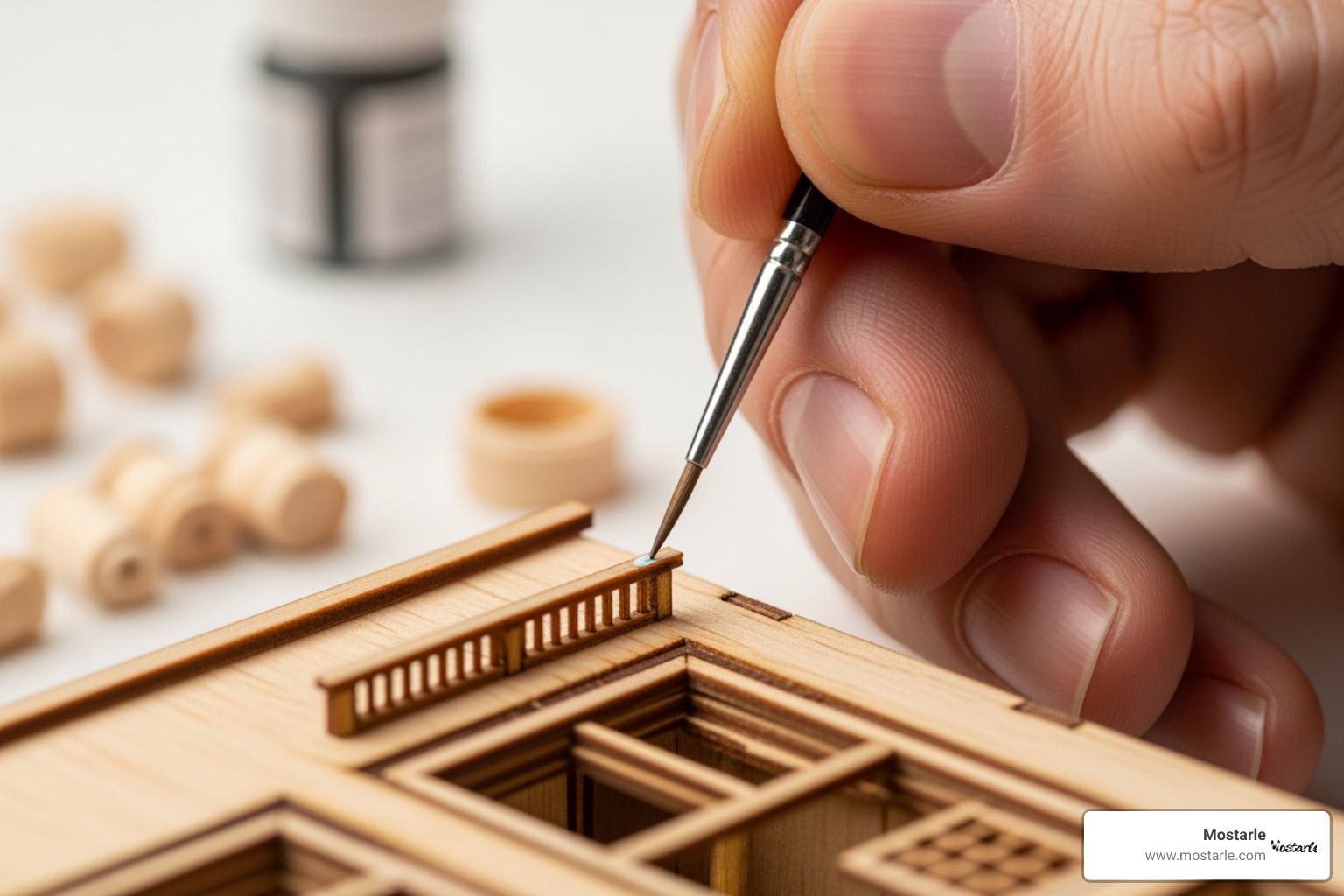
Once your wooden model kit stands complete, you face an exciting crossroads. Many models look absolutely gorgeous in their natural wood finish, showcasing those beautiful grain patterns and warm tones. But painting and customization open up a whole world of creative possibilities.
Choosing the right paint depends on your goals and experience level. Acrylic paints are wonderfully forgiving for beginners - they're water-based, dry quickly, and clean up with soap and water. Plus, they come in every color imaginable. Enamel paints offer more durability and often provide richer colors, but they require mineral spirits for cleanup and take longer to dry.
The choice between staining versus painting really comes down to whether you want to highlight or hide the wood's natural character. Staining lets that gorgeous grain show through while shifting the color tone. Painting gives you complete creative control with vibrant colors and the ability to add intricate details.
Sealing your work protects all that effort you've invested. A good wood sealer before painting helps everything adhere better, while a clear topcoat afterward protects against handling and dust. Choose from matte, satin, or gloss finishes depending on the look you're after.
Custom details are where your personality really shines through. Consider subtle weathering effects on vehicles for realistic wear, tiny decals for authenticity, or even miniature accessories that bring your model to life. Some builders add LED lighting to architectural models or create custom display bases that tell a story.
Whether you choose natural wood beauty, bold painted details, or something in between, these finishing touches transform a well-built kit into a treasured display piece that reflects your unique creative vision.
Frequently Asked Questions
Starting your journey with wooden model kits can feel a bit overwhelming at first, especially when you're staring at dozens of options online or in the hobby store. We've been there too! Over the years, we've heard the same questions pop up again and again from newcomers to this wonderful hobby. Let's tackle the big three that seem to worry people most.
Are wooden model kits difficult for beginners?
Here's the truth: wooden model kits can be as simple or as challenging as you want them to be. The beauty of this hobby lies in its incredible range - from kits you can complete in a single afternoon to masterpieces that will keep you busy for months.
If you're just starting out, you're in luck. Many manufacturers have recognized that not everyone wants to jump into the deep end immediately. Beginner-friendly wooden model kits typically feature precision laser-cut pieces that fit together like a well-designed puzzle. The instructions have evolved tremendously over the years too - gone are the days of confusing diagrams that look like they were drawn on napkins.
The secret to success? Start with something that genuinely excites you, but keep the piece count reasonable. A 50-piece vintage car will be far more enjoyable than wrestling with a 500-piece sailing ship on your first attempt. Once you feel that satisfying click of pieces fitting perfectly together and see your creation taking shape, you'll understand why so many people become completely hooked on this hobby.
How long does it take to build a wooden model kit?
This question makes us smile because it's a bit like asking "How long is a piece of string?" The honest answer depends on so many factors - the complexity of your chosen kit, your experience level, how much time you can dedicate in each sitting, and frankly, how much you enjoy taking your time versus rushing to see the finished result.
Simple 3D puzzles might occupy you for just a few pleasant hours - perfect for a rainy Saturday afternoon project. Intermediate wooden model kits with moderate complexity often fall into the 4 to 8 hour range, which many people spread across several evenings. It's actually quite relaxing to spend 30-45 minutes after dinner working on your model.
Now, if you've chosen one of those magnificent complex mechanical models with all the gears and moving parts, you're looking at a more substantial commitment. These intricate beauties can require anywhere from 6 to 13 hours of focused work. But here's the thing - those hours fly by when you're absorbed in the process.
Most wooden model kits will give you an estimated assembly time right on the package, which helps you plan accordingly. This isn't a race. Some of our most treasured models are the ones we savored slowly, enjoying every step of the journey.
Do I need to paint my model?
Absolutely not! This might be the most liberating thing about wooden model kits - they look stunning exactly as they come. The natural wood finish has a timeless appeal that many builders prefer. There's something deeply satisfying about showcasing the material's inherent beauty - the grain patterns, the warm tones, the way light plays across the surface.
Many builders choose the natural route because it highlights the quality craftsmanship that went into designing the kit. When you can see the precision of the laser cuts and the way the pieces fit together seamlessly, the wood itself becomes part of the artistic statement.
That said, painting opens up a whole world of creative possibilities. You can transform your model into something incredibly realistic, add weathering effects for authenticity, or go completely artistic with colors that match your home decor. Some builders even enjoy the meditative process of painting tiny details - it's like adult coloring books taken to the next level.
The choice is entirely yours, and there's no wrong answer. Whether you prefer the natural elegance of untreated wood or the vibrant possibilities that come with paint, your finished wooden model kit will be uniquely yours.
Join the Community and Find Your Next Challenge
Building wooden model kits is wonderful on its own, but sharing the experience with others makes it truly special. There's something magical about connecting with fellow builders who understand the satisfaction of placing that final piece or the frustration of a stubborn joint that won't quite fit.
You'll find warm, welcoming communities in online forums and social media groups where builders gather to share their latest projects, swap techniques, and celebrate each other's successes. These spaces become treasure troves of wisdom, where experienced builders freely share hard-won tips and newcomers find encouragement for their first attempts. Whether you're stuck on a tricky assembly step or simply want to show off your latest masterpiece, there's always someone ready to help or cheer you on. Connect with enthusiasts on Facebook to join vibrant communities of model builders from around the world.
Showcasing your work becomes one of the most rewarding aspects of the hobby. There's genuine pride in photographing your completed model, sharing the story of your build, and receiving appreciation from fellow crafters who understand the effort involved. Many builders document their entire process, creating valuable resources for others following in their footsteps.
YouTube has become a goldmine for visual learners who want to see techniques in action. Watch building tutorials on YouTube to find new methods, watch expert builders tackle challenging sections, and get inspired by the incredible variety of projects people create.
As your skills grow and your passion deepens, you might find yourself drawn to exploring creative possibilities beyond traditional wood construction. At Mostarle, our journey started with the same love of hands-on building that draws people to wooden model kits. We found that creativity truly has no limits when we began experimenting with unexpected materials.
Our unique approach involves crafting intricate models from everyday hardware - changing ordinary nuts, bolts, and forgotten metal fragments into remarkable kinetic sculptures. This nuts and bolts artistry proves that the same satisfaction you find in wooden models can emerge from the most unlikely materials.
The principles that make mechanical wooden models so fascinating - the interplay of gears, the satisfaction of moving parts, the puzzle-like assembly process - translate beautifully into metal constructions. It's the same creative spirit, just expressed through different materials.
Ready to dive deeper into kinetic art? Explore our guide on Everything to Know About Mechanical Puzzles to understand the fascinating world of moving models and find how simple mechanisms can create complex, beautiful motion.