Expert Support

Timeless Twigs: A Buyer's Guide to Ancient Tree Metal Art
Why Ancient Tree Metal Sculpture Captures the Imagination
Ancient tree metal sculpture combines the timeless beauty of nature with the permanence of metal, creating artworks that speak to our deepest connections with the natural world. Whether you're searching for a statement piece for your garden, a wall-mounted artwork for your living room, or a symbolic sculpture that tells a story, here's what you need to know:
Quick Guide to Ancient Tree Metal Sculptures:
- Materials: Stainless steel, bronze, copper, cast iron, and recycled scrap metal
- Styles: Wall-mounted pieces, freestanding garden sculptures, tabletop art, functional pieces like candelabras
- Sizes: From 40cm tabletop sculptures to 12-foot tall installations
- Price Range: €350 for small pieces to several thousand for large commissions
- Best For: Indoor wall art (heat-patina stainless steel), outdoor gardens (bronze, weathering steel), unique gifts
Trees have held sacred meaning across cultures for millennia. The Norse had Yggdrasil, Buddhists revere the Bodhi tree, and the Tree of Life appears in Christian, Muslim, and countless other traditions. Metal artists tap into this ancient symbolism, changing industrial materials into organic forms that evoke strength, growth, and connection to the earth.
The appeal lies in the contrast - hard metal shaped into flowing branches, cold steel warmed by rust patinas, industrial materials echoing nature's complexity. These sculptures bridge the gap between the manufactured and the organic, changing forgotten fragments of metal into representations of life's most enduring symbol.
From massive bronze castings taken from real century-old trees to intricate wall pieces forged from stainless steel, ancient tree metal sculptures offer something for every space and every story you want to tell.
The Essence of Ancient Tree Metal Sculpture
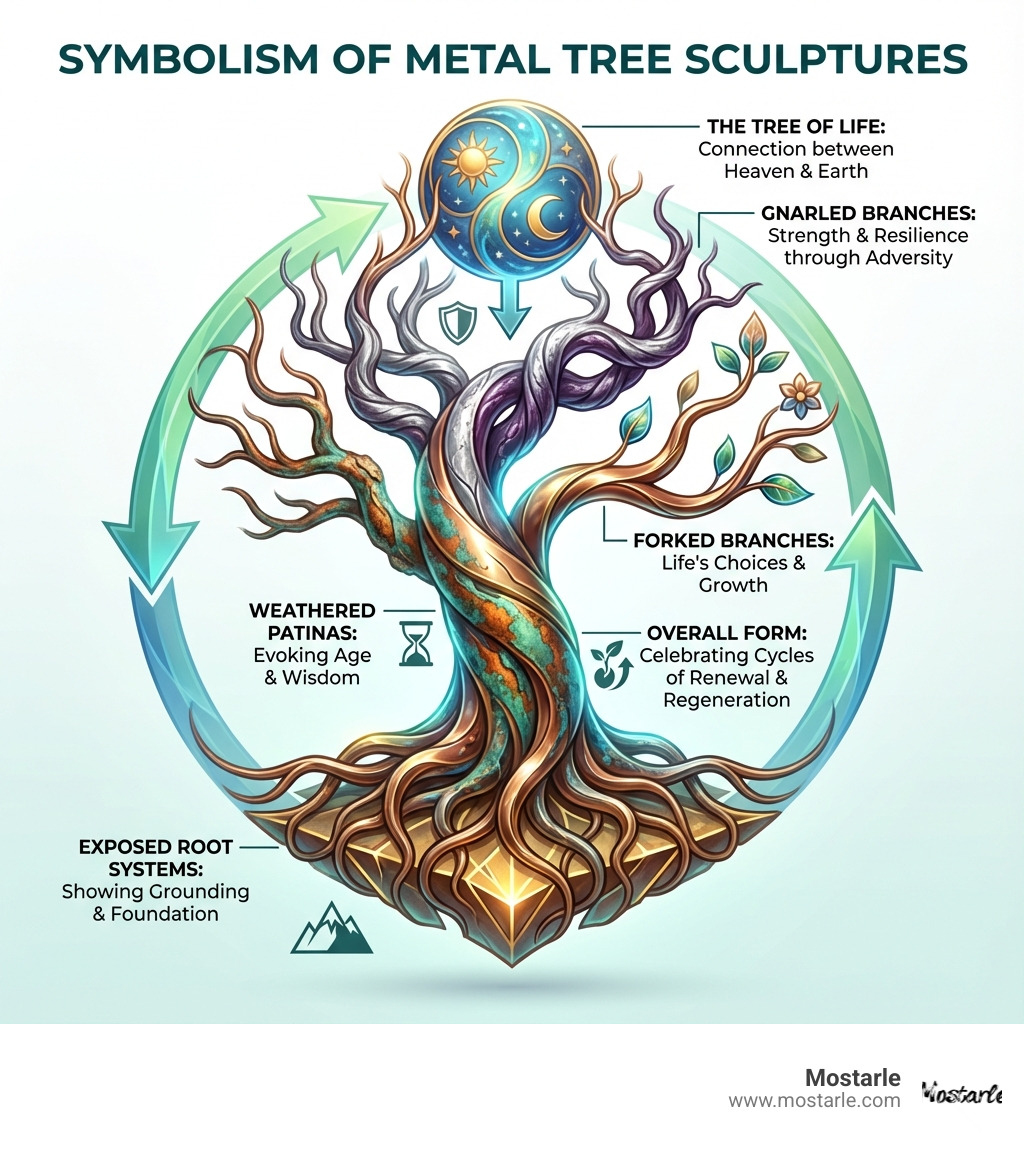
When we speak of ancient tree metal sculpture, we're often looking for pieces that evoke the wisdom of ages, the resilience of nature, and the intricate beauty that only time can sculpt. These artworks go beyond mere representation; they capture the very spirit of old-growth forests and individual venerable trees. The defining characteristics of these sculptures often involve gnarly forms, intricate root systems, and weathered textures that tell a story of endurance.
The "ancient" aspect profoundly influences the design and aesthetic. Artists strive to replicate the deep furrows of aged bark, the dramatic twists of branches that have battled centuries of wind, and the expansive, grounding presence of exposed roots. This creates a powerful contrast between the rigid, industrial nature of metal and the organic, flowing forms of a living tree. Patinas and finishes are crucial here, as they lend an aged, time-worn appearance to the metal, mimicking the natural weathering processes of real trees. Heat patinas, for instance, can bring rich, earthy colors to stainless steel, though such pieces often require indoor placement to preserve their unique coloring.
Many cultures worldwide hold specific mythological trees in high regard. From the Norse Yggdrasil, the world tree connecting all fields, to the universal concept of the Tree of Life, these sculptures often carry deep-rooted symbolism. They represent growth, strength, resilience, and a profound connection to nature and the cycles of life and death. The idea of these ancient symbols being rendered in metal adds a layer of permanence, suggesting that these values are as enduring as the material itself.
The Unique Aesthetic of an Ancient Tree Metal Sculpture
The aesthetic of age is paramount in these creations. Artists carefully craft details to mimic the imperfections and character acquired over centuries. This includes gnarled branches that seem to have withstood countless storms, exposed roots that anchor the tree firmly to the earth, and textural details that invite touch and contemplation. We find sculptures that even mimic lightning strikes, with their dramatic, fractured forms, sometimes highlighted with precious metals like gold to emphasize the tree's resilience and connection to elemental forces.
The juxtaposition of hard metal and soft natural forms is a hallmark of this genre. It's a fascinating paradox: a material known for its strength and industrial origins is molded to depict the delicate yet powerful essence of nature. This interplay creates a visual and tactile experience that is both striking and thought-provoking, making each ancient tree metal sculpture a conversation starter.
Symbolism and Meaning in Metal Trees
Beyond their visual appeal, ancient tree metal sculptures are imbued with profound symbolism. The Tree of Life concept is perhaps the most prevalent, representing the interconnectedness of all life, a bridge between heaven and earth, and a source of wisdom and sustenance. This universal symbol, found across diverse cultures from Scandinavian myths to Islamic art, speaks to our shared human experience.
These sculptures also powerfully convey strength and endurance. A metal tree, especially one designed to look ancient, embodies resilience, standing firm against the elements, just as real old trees do. They remind us of the cycles of life and regrowth, the constant renewal and change that defines existence. For many, these sculptures become personal and cultural narratives, reflecting individual journeys, ancestral roots, or a collective appreciation for the natural world. Some metal tree sculptures can even symbolize societal connections or the "falling" classic bonds of society, reflecting deeper human experiences.
For those interested in exploring how unique metal art can bring deeper meaning to a space, we encourage you to learn more about More info about unique metal art.
From Ore to Oak: Materials and Creation Techniques
The creation of an ancient tree metal sculpture is a testament to human ingenuity, blending artistry with skilled craftsmanship. The materials and techniques chosen significantly impact the sculpture's appearance, durability, and symbolic weight.
Common Metals
A variety of metals are commonly used, each offering distinct properties:
- Stainless Steel: Known for its corrosion resistance and sleek finish, stainless steel is ideal for both indoor and outdoor pieces. Notable examples include large-scale trees crafted entirely from stainless steel, some measuring over five feet wide. When colored with heat patinas, stainless steel sculptures like this must be kept indoors to preserve their unique hues.
- Bronze: A classic sculptural material, bronze is highly durable and develops a beautiful patina over time. Some artists masterfully use bronze to cast entire trees, often incorporating heavy river stones into their bifurcations. Bronze casting is an ancient technique that embodies the growth of vegetation in its fluid form.
- Copper: Valued for its warm tones and ability to form a distinctive green-blue patina, copper is often used for its aesthetic appeal, particularly in pieces that can also function as water features.
- Cast Iron: One of the first metals used by humanity, cast iron offers a robust and rustic aesthetic. For example, some installations use cast iron flames, designed to rust and record the damp atmosphere, echoing the natural environment.
- Recycled Materials: Embracing sustainability and a unique aesthetic, many artists, like those at Mostarle, transform ordinary, forgotten fragments into remarkable pieces. Some use scrap metal parts, including engine spares, for contemporary tree sculptures. This approach aligns perfectly with our philosophy that creativity has no limits, even with discarded items.
The challenges of creating large-scale metal tree sculptures are considerable, involving complex engineering to ensure stability and longevity, especially for outdoor installations. However, the rewards are immense, offering artists the satisfaction of bringing a monumental vision to life and providing the public with enduring works of art. The evolution of metal sculpture has seen a shift from traditional carving to almost complete freedom of materials and processes since Modernism, allowing for innovative interpretations of trees in metal.
Forging, Welding, and Assembling
Many ancient tree metal sculptures come to life through direct metalworking techniques. Blacksmithing, an ancient craft, involves heating and hammering steel into desired forms, creating the organic yet robust shapes characteristic of gnarled branches and roots. Forged steel candelabra sculptures are an excellent example, where steel is forged and tapered to create a unique piece. As the research notes, blacksmithing was considered one of the most prestigious professions in Celtic society, alongside healing and poetry, highlighting its historical significance and artistic value.
Welding is another fundamental technique, allowing artists to join individual metal pieces, building complex structures branch by branch. This method is particularly effective for creating intricate foliage or constructing large-scale forms from multiple components. For artists embracing recycled materials, assemblage art is key. This involves collecting and joining disparate metal objects – nuts, bolts, tools, engine parts – to form a cohesive sculpture. This is where our own expertise at Mostarle shines, changing everyday hardware into intricate artworks. We believe in the power of Welding Wonders: Unleash Your Inner Metal Artist and celebrate The Art of Assemblage: Discovering Found Object Sculptures in creating truly unique pieces.
Casting from Nature's Mold
Bronze casting offers a unique way to capture the exact details of a real tree, allowing artists to replicate natural texture with astonishing realism. This process often involves using a real tree or its parts as a matrix. The lost-wax process, a sophisticated casting method, enables artists to create highly detailed and durable bronze sculptures.
Some artists are masters of a philosophical approach where they cast actual trees in bronze, effectively "fossilizing" their existence and changing nature into art. For instance, a century-old chestnut tree can be fused in bronze, with its roots branched in five directions, each supported by a steel post. This method not only preserves the tree's form but also prompts reflection on the passage of time and the relationship between humanity and the natural world. The resulting sculptures are not merely representations but are imbued with the very essence of the original tree, making them exceptionally powerful ancient tree metal sculptures.
A Forest of Inspiration: Notable Installations and Artistic Approaches
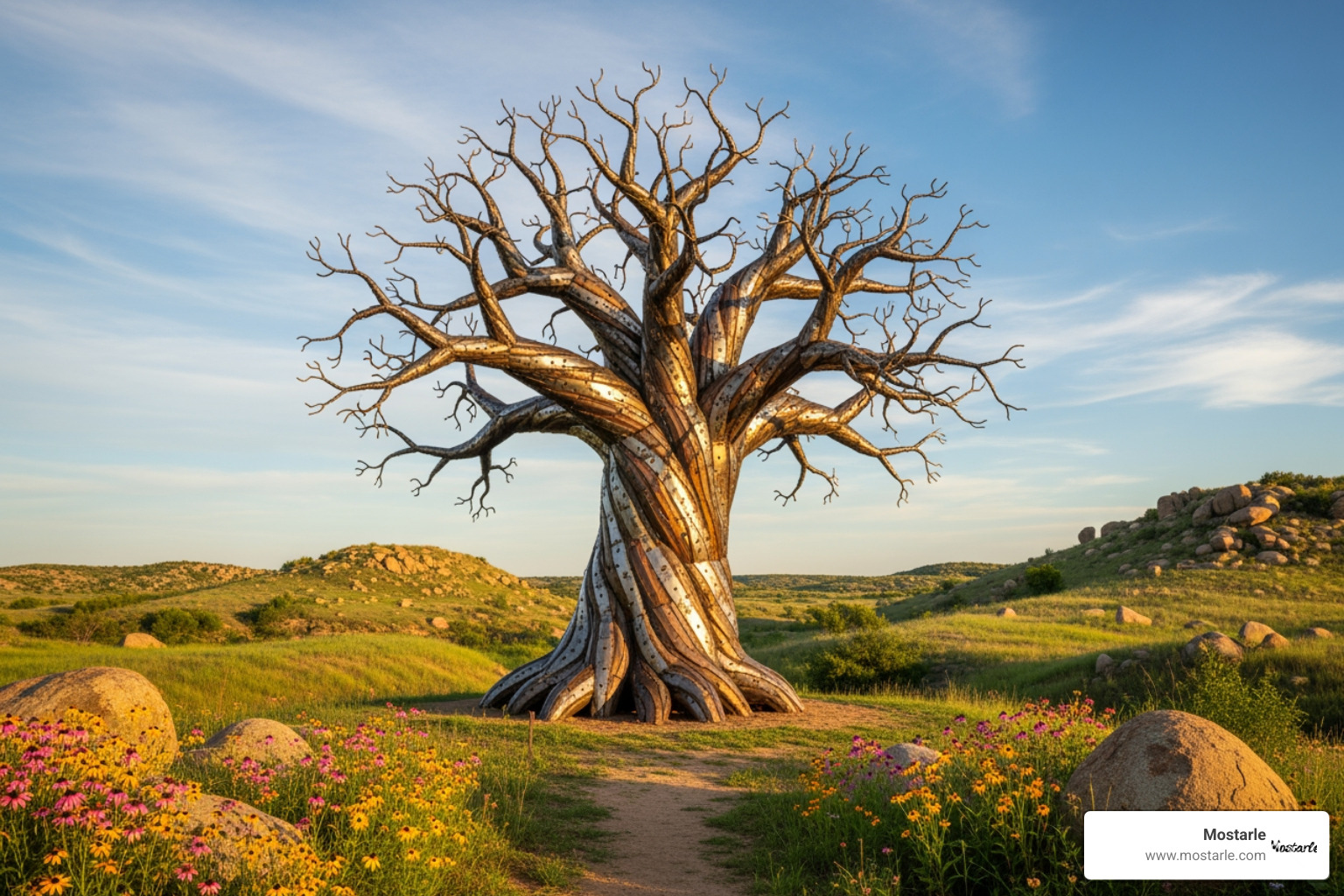
Ancient tree metal sculptures often find their most impactful expression in public art installations and sculpture parks, where they interact dynamically with their environment. These site-specific artworks are designed to complement or contrast with their surroundings, creating a dialogue between the natural and the man-made.
Where to Find These Sculptures
Examples of these compelling artworks can be found in various locations across the globe, including countries where Mostarle operates. Public art archives, like the Public Art Archive, serve as valuable resources for finding such installations.
- Public Art Installations: Many cities and parks host large-scale metal tree sculptures. For instance, one notable installation features steel trees, some seven or twelve feet tall, creating a sculptural environment within an atrium and alluding to the emotional meanings that forests have for us. Another example in the UK's Forest of Dean features cast-iron flames that encircle a sycamore tree, designed to rust and interact with the damp environment.
- Sculpture Parks: These dedicated outdoor spaces, such as the Austrian Sculpture Park, provide expansive settings for large-scale works, allowing visitors to experience art within a natural landscape.
- Private Collections and Galleries: Smaller or more intricate ancient tree metal sculptures are often found in private collections or exhibited in art galleries, offering a more intimate viewing experience.
- Artist Studios: Many artists showcase their works directly from their studios, offering a chance to meet the creator and understand their process.
For those looking to improve their outdoor living spaces, these sculptures can be a focal point, merging art with nature. Consider how Patio Perfection: Durable and Stylish Metal Decor for Your Outdoor Oasis can transform your garden.
Artistic Approaches Shaping the Genre
The field of ancient tree metal sculpture is enriched by a diverse group of artists, each bringing a unique vision. Key artistic approaches include:
- Conceptual and Land Art: Some artists focus on the "structural logic" of nature, casting entire trees in bronze to explore the passage of time and challenge our perceptions of weight and growth.
- Site-Specific Installation: Other creators are known for large-scale, site-specific works that use materials like cast iron to interact with their environment and historical context.
- Detailed Metal Fabrication: Many sculptors specialize in high-quality metal fabrication, creating intricate stainless steel tree forms that capture the winding, gnarly character of old oaks.
- Recycled and Assemblage Art: A growing number of artists craft contemporary metal sculptures from recycled scrap metal, drawing inspiration from societal issues and changing industrial materials into expressive art.
- Traditional Blacksmithing: Some artists use ancient blacksmithing techniques, forging steel to imbue their tree sculptures with deep symbolic meaning drawn from cultural concepts and elemental forces.
Many of these approaches, especially those using overlooked materials, align with the creative philosophy at Mostarle. For more on this creative approach, explore Arte Reciclado: Las Mejores Ideas para Esculturas con Herramientas Antiguas.
Acquiring Your Own Ancient Tree Metal Sculpture
Bringing an ancient tree metal sculpture into your home or garden is a significant decision that promises to enrich your space with art and meaning. Whether you're seeking a grand outdoor statement or a subtle indoor accent, understanding the acquisition process is key.
Commissioning a Custom Ancient Tree Metal Sculpture
For a truly unique piece that perfectly fits your vision and space, commissioning a custom sculpture is an excellent option. The process typically involves:
- Finding an Artist: Research artists whose style aligns with your aesthetic preferences. Many artists are available for commissions.
- Discussing Your Vision: Clearly communicate your ideas regarding the tree type, desired "ancient" characteristics (gnarly branches, exposed roots, weathered look), symbolism, size, and placement.
- Material Selection: Work with the artist to choose the best metal for your sculpture, considering factors like durability, appearance, and whether it will be indoors or outdoors.
- Sizing for Your Space: Accurate measurements of your intended location are crucial. Artists can help scale the design appropriately, whether it's a small tabletop piece or a towering garden installation.
- Budget Considerations: Custom pieces vary widely in price based on size, complexity, materials, and artist's reputation. A small piece might start around €350, while a large commission could be several thousand.
- Timeline: From concept to creation and installation, a custom sculpture can take several weeks or even months, depending on the scale and artist's schedule.
We understand the desire for personalized art, and our team is adept at Crafting Your Aesthetic: Custom Metal Art Sculptures for Every Style.
Choosing a Style for Your Space
Consider how the sculpture will interact with its environment:
- Large-scale Garden Art: Freestanding sculptures, some 7 or 12-foot tall, can become dramatic focal points in a garden or courtyard. These often benefit from robust materials like bronze or steel that can withstand outdoor conditions.
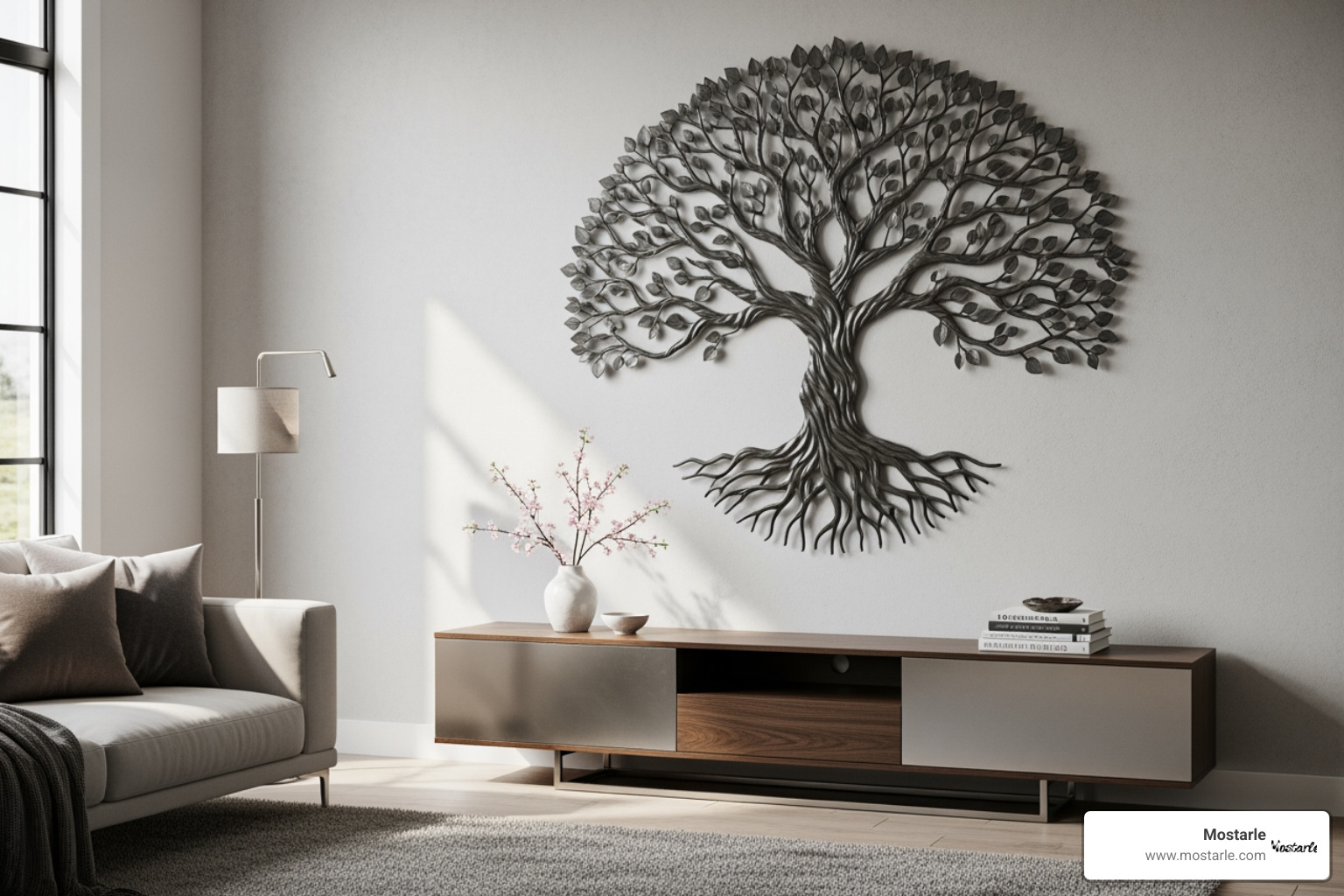
- Wall-mounted Pieces: Ideal for indoor spaces, these sculptures, such as those measuring several feet wide, can add depth and texture to a wall. If they feature delicate heat patinas, ensure they are for indoor use.
- Tabletop Sculptures: Smaller pieces, perhaps around 40-60cm in size and weighing around 10kg, are perfect for desks, shelves, or side tables, adding an artistic touch to more intimate settings.
- Functional Art: Sculptures that double as functional items, like forged steel candelabra sculptures, combine aesthetic appeal with utility, creating a unique ambiance.
When selecting, also consider the existing aesthetic of your home or garden. Do you want the sculpture to blend seamlessly or provide a striking contrast? Just as you might choose a specific animal for its symbolism, like those explored in From Fish to Felines: Discover Stunning Metal Animal Wall Art, so too should you consider the character of your metal tree.
Frequently Asked Questions about Metal Tree Sculptures
How do you care for an outdoor metal tree sculpture?
Caring for an outdoor metal tree sculpture involves a few key steps to ensure its longevity and maintain its aesthetic appeal.
- Cleaning: Regularly remove dirt, dust, and debris with a soft brush or cloth. For more stubborn grime, a mild soap and water solution can be used, followed by a thorough rinse and drying. Avoid harsh chemicals or abrasive cleaners that could damage the metal or its finish.
- Stability Checks: Periodically inspect the sculpture for any signs of instability, especially after strong winds or storms. Ensure all anchor points are secure.
- Appreciating Natural Patination: For metals like bronze, copper, and weathering steel (Cor-Ten), natural patination is part of their charm. This process forms a protective layer that changes color over time, adding to the "ancient" aesthetic. For example, cast iron sculptures are often intended to rust, recording the damp atmosphere and blending with natural colors.
- Protective Coatings: Some outdoor sculptures may benefit from periodic application of wax or clear protective coatings, especially if the artist intended a specific finish to be preserved. Always consult the artist or manufacturer for specific recommendations, as some patinas (like heat patinas on stainless steel) are not suitable for outdoor exposure.
What is the difference between a bronze and a steel tree sculpture?
The choice between bronze and steel for an ancient tree metal sculpture involves several considerations:
- Cost: Bronze is generally more expensive than steel due to the material cost and the labor-intensive casting process.
- Appearance and Color: Bronze typically has a warm, reddish-brown hue that deepens and takes on green or blue patinas over time. Steel, particularly stainless steel, can be bright and silvery, or it can be treated with heat patinas for vibrant colors (often for indoor use) or allowed to weather for a rustic, rusted look (like Cor-Ten steel).
- Weathering Process: Bronze develops a stable, protective patina that can range from dark brown to green or blue. This patina is highly valued and protects the metal from further corrosion. Steel can rust. While weathering steel is designed to form a stable, rust-like layer, other steels may continue to corrode if not properly treated or maintained.
- Weight and Structural Differences: Bronze sculptures, especially those cast from real trees, tend to be very heavy. Some cast bronze trees, for example, incorporate heavy river stones weighing over 1300 kg. Steel can be engineered to be strong yet relatively lighter, allowing for different structural possibilities.
- Longevity: Both bronze and stainless steel are incredibly durable and long-lasting materials, capable of enduring centuries outdoors with proper care.
Can I get a sculpture made from recycled materials?
Absolutely! The use of recycled materials in ancient tree metal sculpture is a growing and vibrant trend, championed by artists and companies like Mostarle.
- Assemblage Art: Many artists specialize in assemblage, creating sculptures from discarded metal components, tools, and industrial scraps. This approach gives new life to forgotten fragments, changing them into remarkable pieces of art. Some artists, for instance, use engine spare parts to create contemporary tree sculptures.
- Finding Artists: Look for artists who highlight sustainability and the use of found objects in their portfolios. Their unique aesthetic often involves visible welds, varied textures, and the inherent character of the repurposed materials.
- Environmental Benefits: Choosing a sculpture made from recycled materials supports environmental sustainability by reducing waste and the demand for new raw materials.
- Unique Aesthetic: Sculptures made from found objects possess a distinctive charm and narrative. Each component brings its own history, contributing to a rich, layered aesthetic that is truly one-of-a-kind. At Mostarle, we pride ourselves on our ability to transform ordinary hardware into extraordinary creations, proving that creativity truly has no limits.
Conclusion
The allure of ancient tree metal sculpture lies in its profound ability to connect us to the enduring power of nature, the wisdom of ages, and the limitless potential of artistic expression. We've explored the defining characteristics of these timeless pieces, from their gnarly forms and weathered textures to the deep symbolism they carry, representing strength, growth, and the interconnectedness of life.
We've also digd into the diverse materials and intricate techniques used in their creation, from the ancient craft of blacksmithing and sophisticated bronze casting to the innovative use of recycled metals in assemblage art. Artists working in this genre exemplify a breadth of creativity, changing raw metal into evocative tributes to nature's grandeur.
Whether you're drawn to the monumental presence of a public installation or the intimate beauty of a tabletop piece, these sculptures offer a unique blend of art, history, and environmental consciousness. They serve as powerful reminders of the cycles of life, the resilience of nature, and our own place within the wider world.
At Mostarle, we are inspired by this transformative spirit, crafting unique models from everyday hardware like nuts and bolts. Our philosophy is rooted in the belief that creativity knows no bounds, and that even the most ordinary, forgotten fragments can be reimagined into something truly remarkable. We invite you to Explore the intricate world of 3D metal art and find the endless possibilities that metal sculpture offers.