


The Enduring Beauty of Bronze Tree Sculptures You Need to Know
Why Bronze Tree Sculptures Captivate Art Lovers and Collectors
Bronze tree sculpture represents a timeless fusion of nature's organic beauty and human artistry, crafted from one of the most durable materials known to civilization. These sculptures range from realistic representations to abstract interpretations, each capturing the essence of trees through the enduring medium of bronze.
What You Need to Know About Bronze Tree Sculptures:
- Materials: Cast bronze, often with patina finishes in brown, green, or black, mounted on bases of polished granite or cultured marble
- Symbolism: Commonly represent the Tree of Life, symbolizing connection, growth, strength, and eternity
- Durability: Bronze is weather-resistant and lasts indefinitely with minimal maintenance
- Styles: Available in realistic, abstract, modern geometric, and figurative designs
- Placement: Suitable for indoor and outdoor display in homes, gardens, and public spaces
- Care: Requires periodic cleaning and optional waxing to maintain the patina
There's something deeply moving about encountering a bronze tree sculpture. Artists like Giuseppe Penone have long sought to capture the energy of living trees. When translated into bronze, these forms become permanent monuments to growth, resilience, and our connection to the natural world.
Bronze offers what few materials can: true permanence. While living trees may fall, a bronze tree sculpture stands as an eternal witness. The material develops a rich patina over time, much like a living tree gains character, making each piece unique.
From sacred olive trees to contemporary interpretations by artists like Andrea Roggi, bronze tree sculptures have evolved from simple representations to profound artistic statements. They transform ordinary spaces into sanctuaries of reflection, whether in a minimalist living room or a public garden. The growing demand for these sculptures reflects our collective desire to bring nature's majesty into our lives, serving as a tangible anchor to the natural world.
The Deep Roots of Meaning: Symbolism and History in Tree Sculptures
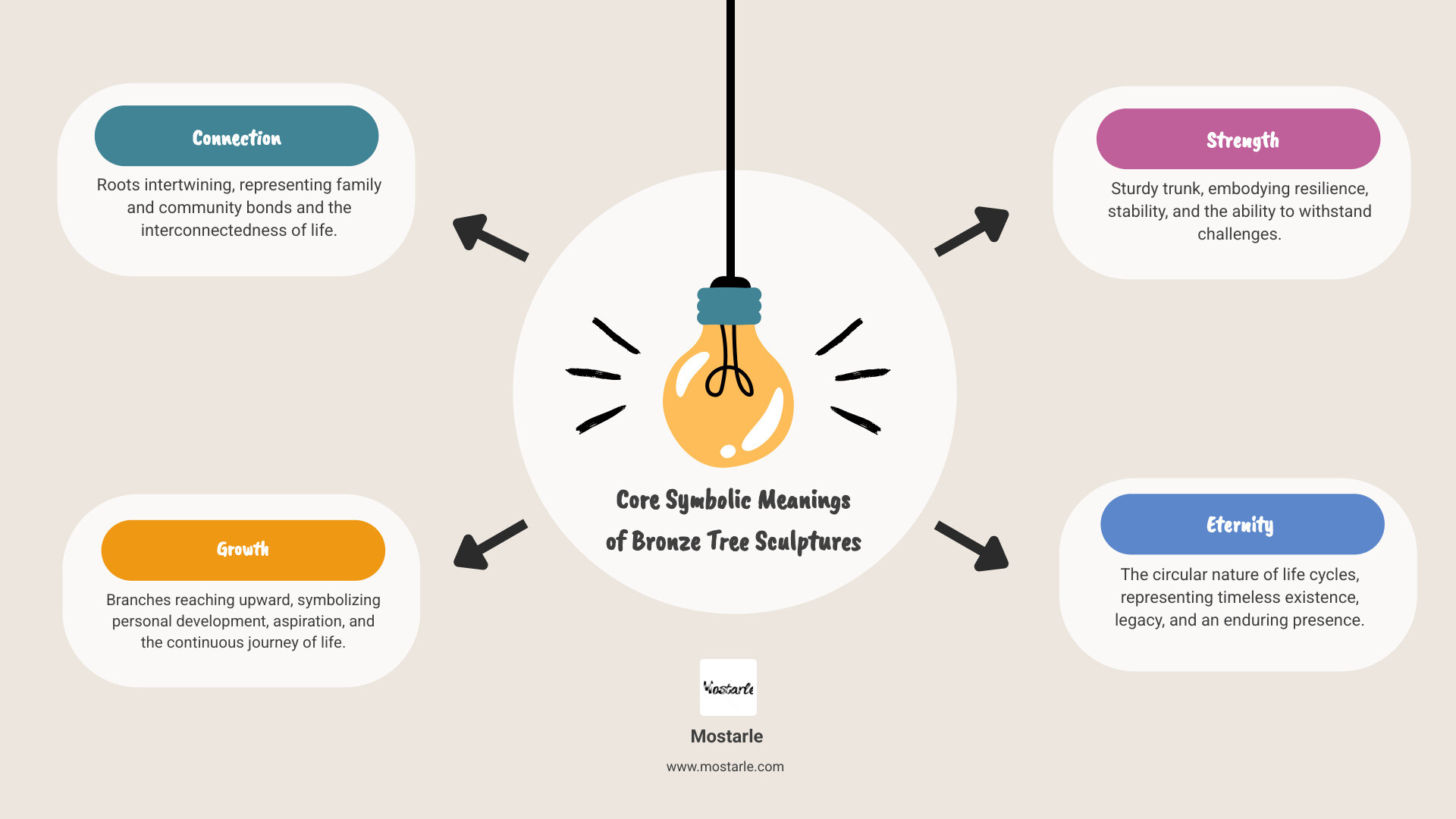
When we gaze upon a tree, we see more than wood and leaves; we see life, growth, and connection. This is amplified in bronze tree sculptures, which encapsulate centuries of symbolism. These artworks are not merely decorative; they are storytellers, chronicling the universal human experience through nature.
At the heart of many bronze tree sculptures lies the powerful motif of the Tree of Life. This ancient symbol transcends cultures, representing interconnectedness, the cycle of life, growth, and eternity. The designs often show deep roots for stability and branches reaching skyward, representing aspirations.
Historically, trees have held immense cultural weight, from sacred groves to the Bodhi tree. The use of bronze, a material associated with the Bronze Age and ancient artistry, imbues these sculptures with historical gravitas. In Greek culture, the olive tree is a potent emblem of peace and solidity, a symbolism beautifully captured in many bronze renditions. The evolution of tree sculptures has moved beyond simple imitation to philosophical works of art blending nature and modern design.
The Universal Appeal of the Tree of Life
The Tree of Life is the most cherished theme in bronze tree sculptures. Its universal appeal stems from its ability to convey profound concepts:
- Interconnectedness: The network of roots and branches mirrors our complex relationships with family, community, and the natural world.
- Growth and Strength: Like a tree growing from a seed, it symbolizes personal development, resilience, and overcoming adversity.
- Eternity and Regeneration: The seasonal cycle of leaves speaks to the eternal nature of life and the promise of renewal.
- Spiritual Meaning: For many, it represents a connection between heaven and earth, a conduit for spiritual wisdom.
Artists like Andrea Roggi have masterfully explored this theme, with his works often including a recurring golden sphere to symbolize the essence of life. The presence of these sculptures in public spaces serves as a constant reminder of our place within this grand cycle.
Bronze: A Medium That Lasts an Eternity
The choice of bronze for tree sculptures is deliberate. This robust alloy offers unparalleled durability, making it ideal for capturing the enduring spirit of trees. Bronze is a hardy material that will last forever, making it a long-term investment.
One of the most captivating aspects of bronze is its ability to develop a unique patina over time. Through oxidation, it transforms into rich shades of deep brown, green, or black. This natural aging process adds character, much like the bark of an ancient tree. This weather-resistant quality means bronze tree sculptures can grace both indoor and outdoor spaces.
Beyond its physical attributes, bronze carries a timeless appeal, connecting contemporary pieces to a rich artistic heritage. For us at Mostarle, who transform ordinary fragments into remarkable art, the enduring nature of metal is particularly inspiring. It proves that creativity, paired with materials that stand the test of time, can last for generations. If you're looking to improve your surroundings with art that endures, we encourage you to Discover unique metal art for your space.
A Forest of Forms: Types and Styles of Bronze Tree Sculptures
The artistic landscape of bronze tree sculptures is as diverse as nature itself. Artists continually push boundaries, offering a rich mix of styles that appeal to various aesthetic sensibilities. From detailed naturalistic forms to bold, abstract interpretations, these sculptures demonstrate the versatility of bronze.
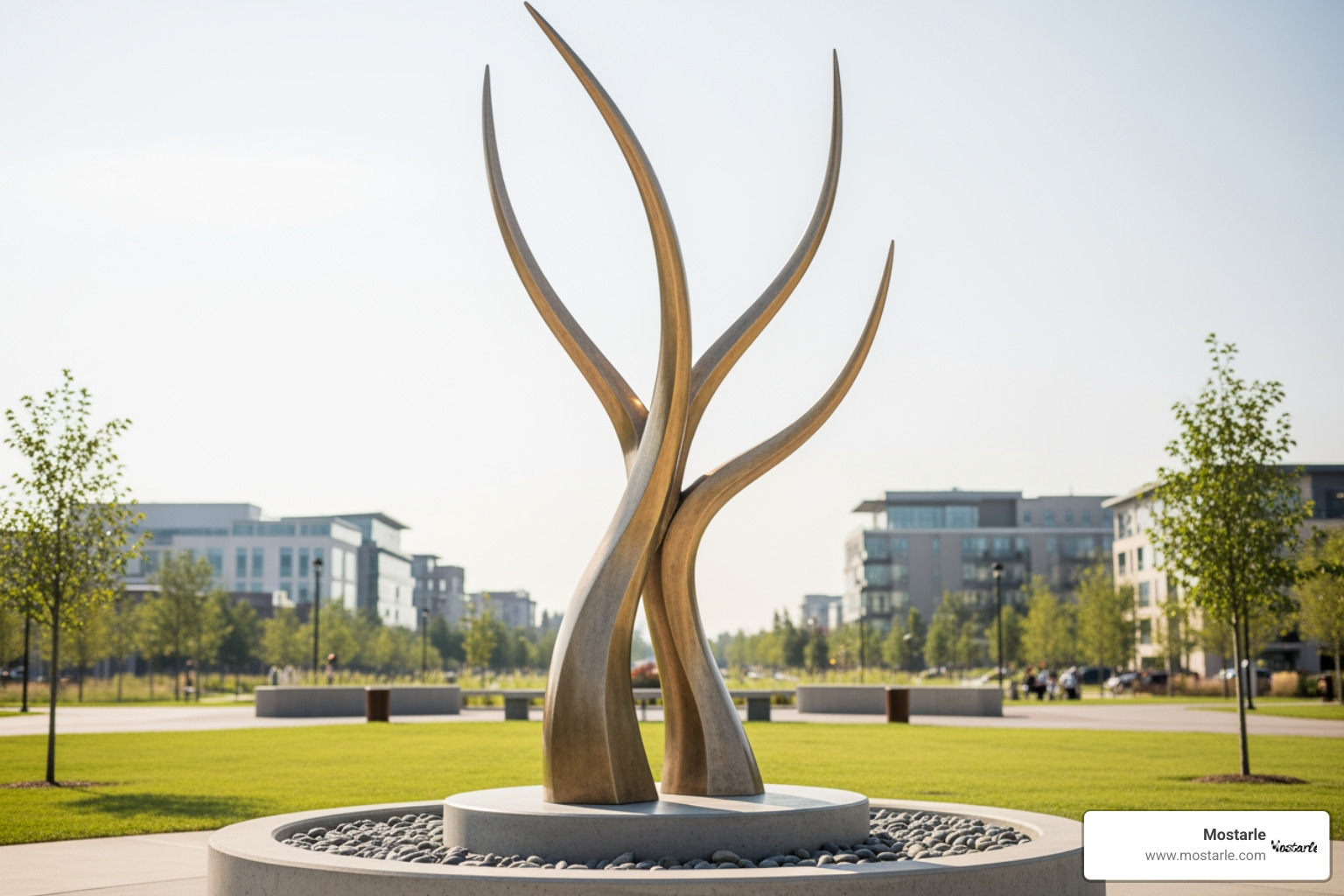
Whether for a minimalist interior, a public park, or a private garden, there's a bronze tree sculpture to suit every vision. The demand for large-scale outdoor sculptures has increased for public spaces and private gardens, highlighting their impact as focal points.
Exploring Different Styles of Bronze Tree Sculpture
The evolution of tree sculptures has seen them move from mere imitations to profound artistic statements. Here are some prominent styles:
- Realism: These sculptures capture the precise details of a tree, from bark texture to branching patterns. Some artists create incredibly lifelike forms by casting directly from real trees.
- Abstract: Moving away from literal representation, abstract sculptures interpret a tree's essence through simplified forms, lines, and shapes, focusing on the feeling of growth rather than photographic accuracy.
- Modern: Characterized by clean lines and contemporary aesthetics, modern sculptures can incorporate geometric elements or sleek, polished surfaces, blending nature and art through innovative design.
- Brutalist: This mid-20th-century style emphasizes raw, unfinished forms. Brutalist tree sculptures might present trees with a rugged, powerful, and imposing presence.
- Figurative: Some sculptures incorporate human or animal figures into the tree form, creating narrative pieces that symbolize our connection and gratitude towards nature.
- Symbolic: Beyond the Tree of Life, symbolic sculptures might represent specific cultural trees or explore concepts like impermanence through the form of a dead tree.
These diverse styles allow artists to explore different facets of the tree's meaning. At Mostarle, we believe in the power of custom art to match your unique vision, changing your ideas into tangible, metal masterpieces. We invite you to explore how we can assist you in Crafting your aesthetic with custom metal art.
The Influence of Artistic Innovation
Modern artists continue to reinterpret tree sculptures using bronze, pushing the boundaries of design. The influence of artists like Giuseppe Penone and Andrea Roggi is notable in contemporary trends. Penone's work digs into the connection between nature, humanity, and art, sometimes integrating river stones or imprints of his own body into his bronze trees.
Roggi's innovative approach often includes a distinctive golden sphere motif, representing the primordial essence of life and regeneration. Innovative techniques are also emerging, such as integrating lighting into sculptures for stunning nighttime displays. Artists are also experimenting with combining bronze with materials like steel or acrylic to create unique designs. These advancements allow for a dynamic interplay between the sculpture, its environment, and the viewer.
The Art and Craft of Creating a Bronze Tree Sculpture
Creating a bronze tree sculpture is a meticulous process that marries artistic vision with specialized craftsmanship. It’s a journey from an idea to a permanent work of art, demanding patience, skill, and an intimate understanding of form and material.
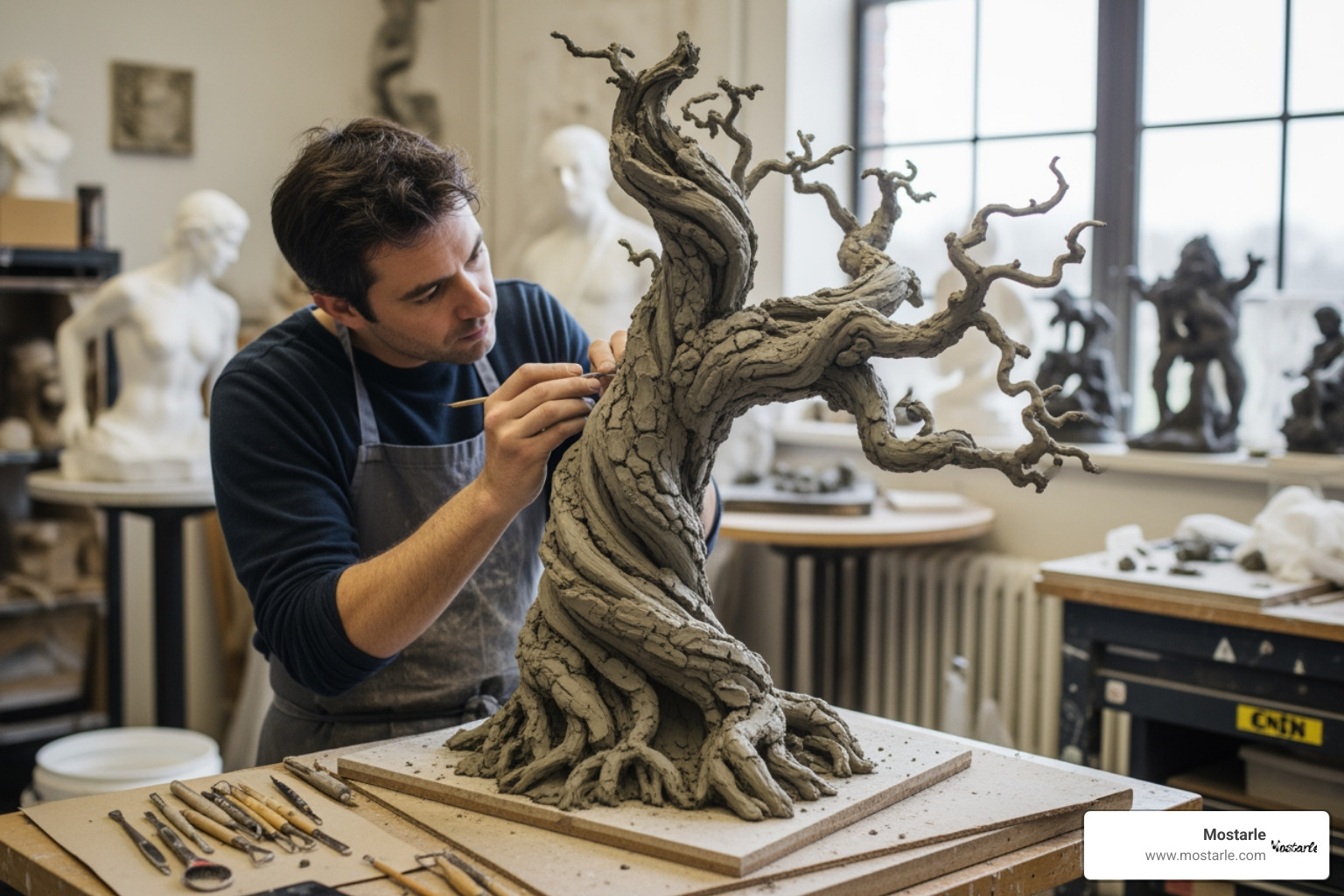
This journey typically involves the lost-wax casting method, a technique for producing high-quality bronze sculptures that has remained largely unchanged for thousands of years.
The Making of a Bronze Tree Sculpture: From Clay to Metal
The creation of a bronze tree sculpture is a fascinating change, often beginning with a sketch and culminating in a majestic metal form. Here’s a simplified breakdown of the lost-wax casting process:
- Design and Sketch: The process begins with an idea, translated into drawings or small models.
- Clay Modeling: A full-scale model is sculpted in clay, where the artist refines the form and texture.
- Mold Making: A multi-piece mold, typically of rubber and plaster, is created around the clay model to capture every detail.
- Wax Pouring: Molten wax is poured into the mold to create a hollow wax replica, which is then refined by the artist.
- Investment and Spruing: The wax model is coated in a ceramic slurry to form a hard shell (the investment). Wax rods (sprues) are attached to create channels for the bronze.
- Burnout (Lost Wax): The ceramic shell is heated in a kiln, melting out the wax and leaving a hollow mold.
- Casting in Bronze: Molten bronze is poured into the pre-heated ceramic mold.
- Chasing and Finishing: Once cool, the ceramic mold is broken away. The raw bronze is refined by removing imperfections, grinding, and polishing.
- Patination Process: In this final artistic step, chemicals are applied to the heated bronze to create the desired patina—the rich colors and textures that give the sculpture its final look.
Key Features That Define a Sculpture
Beyond style and casting, several features define a bronze tree sculpture:
- Size and Scale: From intimate tabletop pieces to monumental outdoor installations, scale profoundly impacts a sculpture's presence.
- Level of Detail: Sculptures can boast intricate details, like individual leaves and bark textures, or take a more minimalist approach focusing on the overall form.
- Patina Color and Texture: The patina is crucial, ranging from deep browns to vibrant greens. The texture can be smooth or rugged, mimicking aged bark.
- Base Material: The base provides stability and complements the bronze. Common materials include polished black granite or cultured marble.
- Artist's Signature Style: Each artist brings a unique vision. An artist's incorporation of unique elements like stones, golden spheres, or narrative figures contributes to a distinct signature style.
Understanding these features allows us to appreciate the artistry involved. To ensure your sculpture is displayed to its best advantage, we also consider its presentation. For insights on showcasing your art, we offer guidance on how to Learn about innovative stands for sculptures.
Bringing Bronze Home: Ownership and Care
Owning a bronze tree sculpture is an investment in enduring beauty and a connection to nature that will last for generations. These versatile sculptures improve both interior and exterior spaces with their unique presence, from a small accent on a mantelpiece to a grand statement in a garden.
The demand for bronze is a testament to its qualities. As a durable material, bronze tree sculptures are a long-term investment for collectors and institutions, often appreciating in value over time.
Benefits of Owning a Bronze Sculpture
The advantages of bringing a bronze tree sculpture into your life are manifold:
- Longevity: Bronze is an incredibly hardy material that can last forever, standing as a testament to durability.
- Durability Against Elements: Being inherently weather-resistant, bronze is perfectly suited for outdoor display in various climates.
- Minimal Maintenance: Bronze sculptures are surprisingly easy to care for, requiring little upkeep to maintain their beauty.
- Appreciation in Value: High-quality bronze sculptures, especially limited editions or those by renowned artists, can appreciate in value.
- Unique Statement Piece: A bronze tree sculpture is a distinctive focal point that can transform any space and spark conversation.
- Enhancing Ambiance: The natural forms and rich patinas create a serene and sophisticated atmosphere, connecting your environment to nature.
Maintenance and Placement Tips
To ensure your bronze tree sculpture remains a treasured piece, consider these practical tips:
-
Choosing a Location:
- Indoor: Place on a stable surface away from direct sunlight to slow natural patina changes.
- Outdoor: Bronze thrives outdoors. Ensure the base is secure to prevent tipping in harsh weather.
- Cleaning Bronze: Dust regularly with a soft, dry cloth. For a deeper clean, use a soft sponge with lukewarm water and a very mild soap, then rinse and dry thoroughly.
- Removing Debris: Promptly remove bird droppings or leaves, as they can be acidic and damage the patina.
- Applying Colorless Wax: To protect the patina and add a subtle sheen, apply a colorless wax (like a high-quality car or specialized bronze wax) twice a year.
- Protecting the Patina: Never use abrasive cleaners, harsh chemicals, or metallic brushes, as they can strip the patina and scratch the bronze. For restoration, consult a professional art conservator.
- Ensuring a Stable Base: A sturdy, level base is paramount for both indoor and outdoor sculptures to prevent tipping.
By following these simple guidelines, your bronze tree sculpture will continue to inspire for generations.
Frequently Asked Questions about Bronze Tree Sculptures
We understand that investing in a bronze tree sculpture can bring up several questions. Here, we address some of the most common inquiries to help you make an informed decision.
How do I clean my bronze tree sculpture?
Cleaning your bronze tree sculpture is straightforward. For general maintenance, dust it regularly with a soft, dry cloth. If it needs a deeper clean, gently wipe it with a soft sponge and lukewarm water. A very mild, non-abrasive soap can be used if necessary, but rinse thoroughly and dry immediately to avoid water spots. It's crucial to avoid abrasive cleaners or harsh chemicals, as these can damage the patina. For outdoor sculptures, remove any bird droppings quickly, as their acidity can harm the surface. For significant damage or patina restoration, we recommend consulting a professional art conservator.
Can bronze tree sculptures be kept outdoors?
Absolutely. Bronze tree sculptures are exceptionally well-suited for outdoor environments. Bronze is a highly durable and weather-resistant material designed to withstand the elements, making it a popular choice for gardens and public spaces. When placed outdoors, bronze naturally develops its patina over time due to exposure to air and moisture, often resulting in richer greens and browns that many collectors find desirable. While bronze is robust, ensure the sculpture is securely installed. In regions with extreme weather, some owners might opt for additional protective coatings, but generally, bronze thrives outdoors.
What makes one bronze sculpture more valuable than another?
The value of a bronze tree sculpture is determined by several factors, much like any fine art piece:
- Artist Reputation: Sculptures by renowned artists often command higher prices due to their established market and historical significance.
- Rarity (Edition Size): Many bronze sculptures are produced in limited editions. A smaller edition size increases rarity and value. Many artists provide certificates of authenticity to confirm exclusivity.
- Size and Complexity: Larger, more intricate sculptures that require more materials and craftsmanship tend to be more valuable.
- Quality of Casting: The precision of the bronze casting process significantly impacts value. High-quality casting from a skilled foundry results in a more refined sculpture.
- Uniqueness of the Patina: A well-executed and unique patina can greatly improve a sculpture's aesthetic appeal and value.
- Provenance and History: The documented history of ownership (provenance) and any notable exhibitions can add to its market value.
These elements combine to create a piece that is not only visually stunning but also a significant cultural and financial asset.
Conclusion
The allure of the bronze tree sculpture lies in its ability to blend the organic beauty of nature with the enduring strength of metal. We've explored the deep roots of meaning, from the universal symbolism of the Tree of Life to the historical significance embedded in each piece. We've seen how bronze, a medium that lasts an eternity, allows artists to capture the essence of trees in a myriad of forms—from realistic masterpieces to abstract interpretations.
We've dug into the meticulous craft behind each sculpture, understanding that every curve and patina results from a complex process that transforms raw materials into breathtaking art. For those considering ownership, we've highlighted the benefits of investing in these durable, low-maintenance, and often appreciating artworks, along with tips for their care.
A bronze tree sculpture is more than an object; it's a statement, a connection, and a legacy. It represents our collective desire to bring the majesty of the natural world into our daily lives, rendered in a material that defies time. For us at Mostarle, this change of everyday fragments into remarkable art resonates deeply with our philosophy that creativity has no limits. Just as a bronze tree stands as an eternal witness to growth, our work aims to inspire a similar sense of wonder.
As you consider adding such a timeless piece to your space, remember the profound artistic journey it represents. To further explore the fascinating world where art meets metal, we invite you to Explore the world of 3D metal art.