


Industrial Chic: Unpacking the Style That's Built to Last
What Industrial Style Decor Really Means
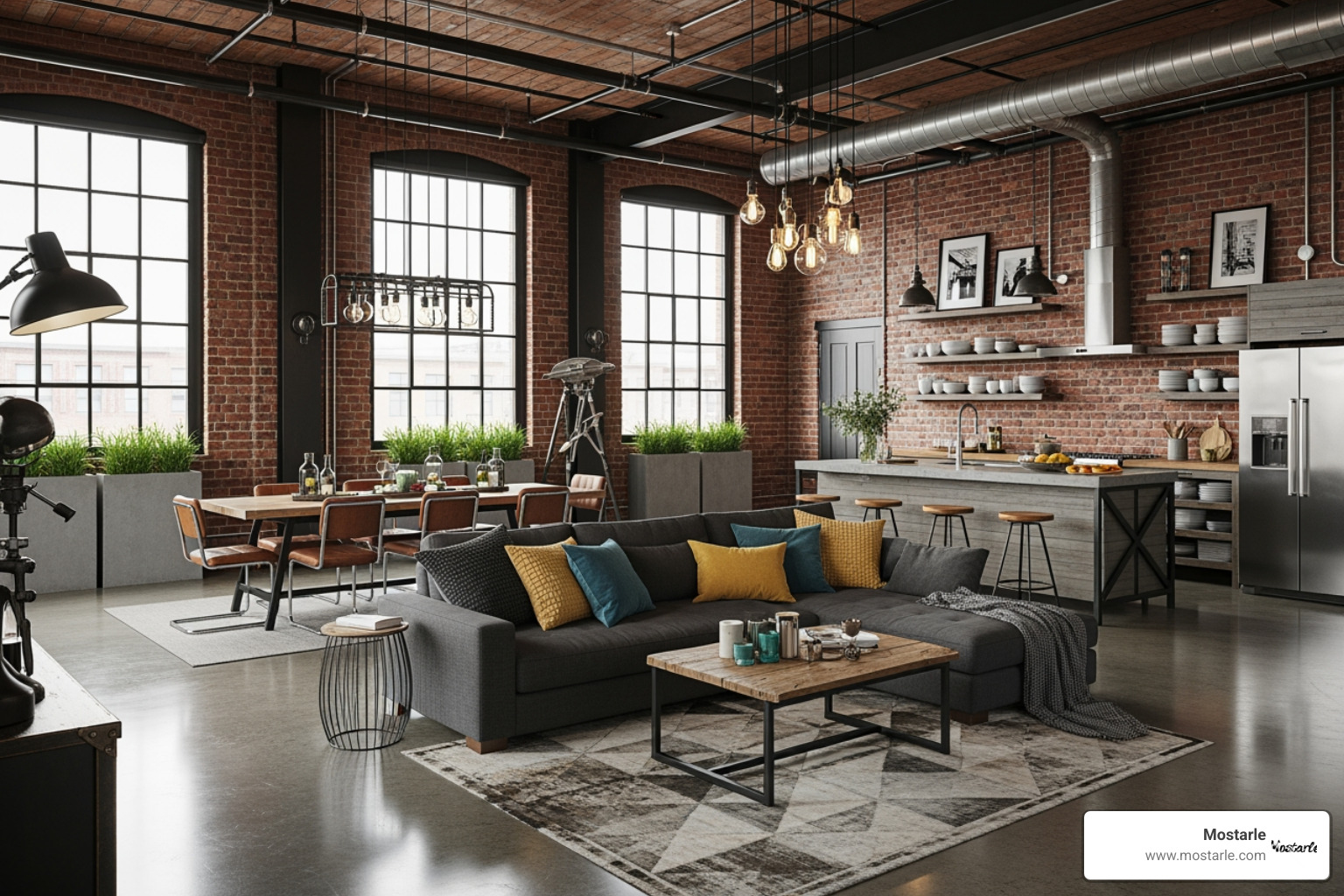
Industrial style decor is an interior design aesthetic that celebrates raw, unfinished elements typically found in factories and warehouses. It emerged when artists in 1940s Manhattan began converting abandoned industrial buildings into living spaces, embracing exposed brick, visible pipes, and open layouts rather than hiding them.
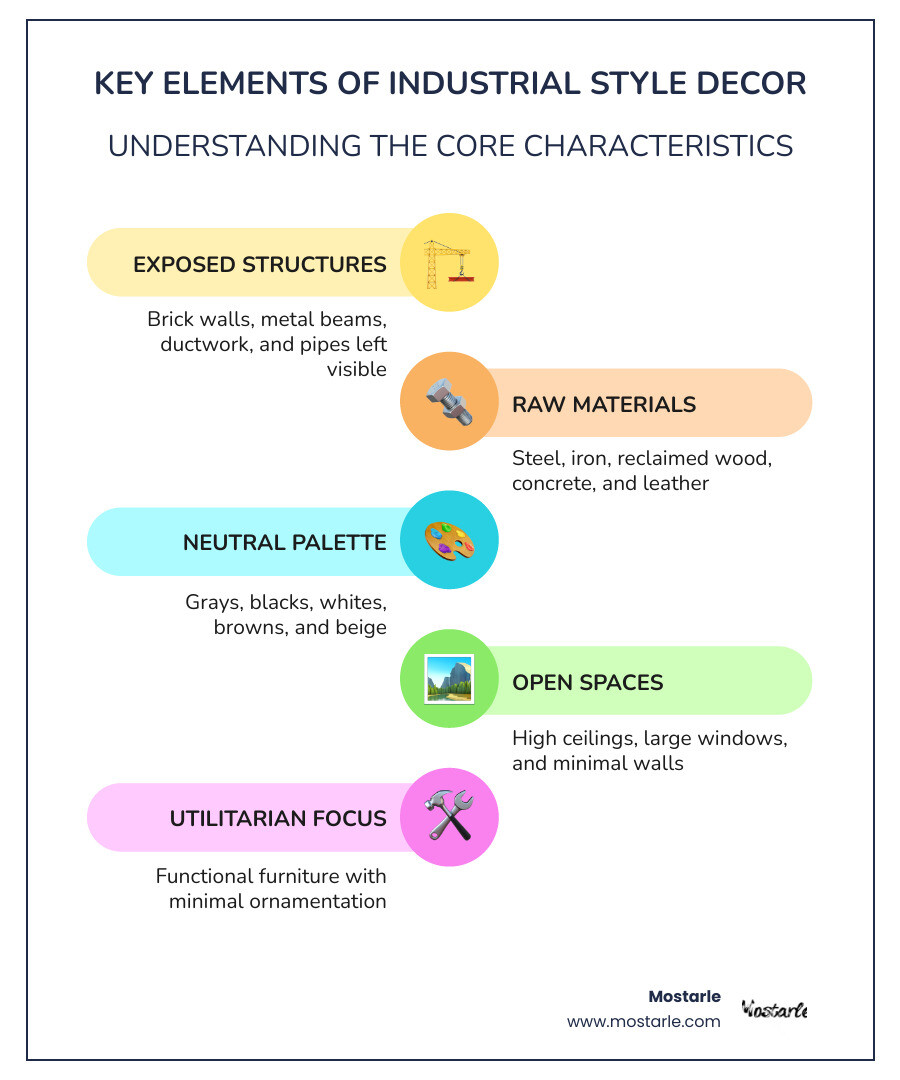
Key Elements of Industrial Style Decor:
- Exposed Structures - Brick walls, metal beams, ductwork, and pipes left visible
- Raw Materials - Steel, iron, reclaimed wood, concrete, and leather
- Neutral Palette - Grays, blacks, whites, browns, and beige
- Open Spaces - High ceilings, large windows, and minimal walls
- Utilitarian Focus - Functional furniture with minimal ornamentation
This style has evolved beyond lofts into a popular, sophisticated aesthetic suitable for any home, from apartments to traditional houses. The beauty of industrial style is its honesty. It celebrates a building's "bones," making exposed architecture the star. The result is a space that feels both raw and refined.
But industrial decor isn't just cold metal and concrete. The best spaces balance hard surfaces with soft elements like leather, rugs, and textiles to create warmth and comfort while maintaining the signature factory-chic vibe.
Whether you're drawn to the minimalist aesthetic or the unique character these spaces offer, this guide will show you how to bring authentic industrial style into your home—without living in a converted warehouse.
The Anatomy of Industrial Design: Core Characteristics & Materials
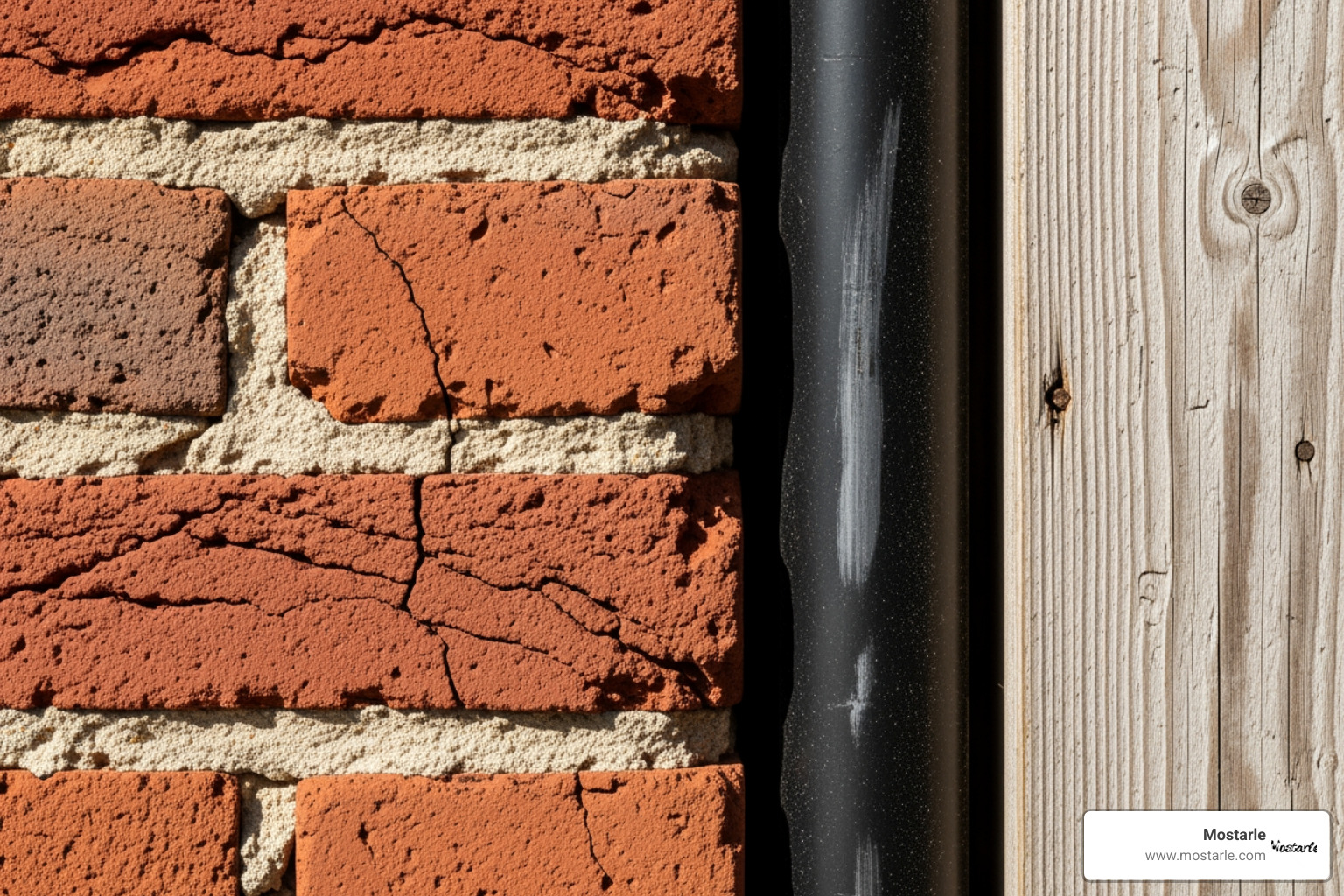
Industrial style decor celebrates a building's raw structure, a look born from the necessity of repurposing old factories and warehouses into living spaces. The style favors open floor plans with high ceilings and a utilitarian focus where "function over form" is a guiding principle. Aesthetics arise naturally from the materials and structures themselves.
Defining Characteristics
The hallmark of industrial design is its candid display of what other styles might hide. It's an honest aesthetic that reveals the very "bones" of a space.
- Exposed Brick Walls: Original or as an accent, exposed brick offers texture, warmth, and a nod to the style's factory origins.
- Visible Ductwork and Pipes: HVAC systems and plumbing are left exposed, often painted black or left metallic, becoming architectural features.
- Polished Concrete Floors: Durable and sleek, polished concrete floors are a staple, providing a neutral base and reflecting light to improve the open feel.
- Large, Bare Windows: Expansive, often bare windows are used to maximize natural light, a key feature retained from original industrial buildings.
- Metal-Framed Windows and Doors: Slim, dark metal frames for windows and doors add a strong, graphic element that reinforces the factory aesthetic.
- Unfinished Surfaces: Imperfection is celebrated through distressed wood, raw metal, and unpolished concrete, contributing to an authentic feel.
Key Materials to Accept
The material palette in industrial style decor is robust and honest, focusing on durability and a raw aesthetic.
- Raw and Reclaimed Wood: Wood, especially reclaimed, adds warmth, texture, and history through beams, flooring, or furniture.
- Steel and Iron: Foundational to the style, steel and iron provide strength and a distinct aesthetic in structures, furniture, and lighting.
- Copper and Brass Accents: Touches of copper and brass in lighting or details add warmth and vintage charm.
- Concrete: Used for floors, countertops, and walls, concrete's cool surface contrasts well with rougher textures.
- Leather: Distressed leather seating adds a rugged, luxurious touch that patinas beautifully over time.
- Glass: Glass in windows and fixtures contributes to an open feel, contrasting with heavier materials.
Understanding these core elements is crucial for mastering the style. For more insights, we recommend exploring Industrial Interior Design: Everything You Need to Know About This Raw and Commanding Style.
The Industrial Palette: Colors, Textures, and Balance
Balancing industrial style's raw components requires a thoughtful approach to color and texture. The palette is typically understated, relying on neutral tones that let materials shine. Strategic choices create inviting, livable environments.
Common Color Palettes
The color scheme in industrial design is largely influenced by the natural hues of its core materials.
- Shades of Gray: Gray is a quintessential industrial color, derived from concrete and steel. It offers a sophisticated, sleek foundation in shades from light silver to deep charcoal.
- Black and White: High-contrast black and white adds a graphic edge. Black grounds the space in elements like metal frames, while white brightens and expands it.
- Brown and Beige: Earthy browns and beiges from wood, leather, and brick introduce warmth and prevent the space from feeling sterile.
- Using Dark, Moody Colors: Dark, moody colors like deep greens or blues can be used on accent walls or furniture to add depth, especially in cozy nooks.
- Adding Pops of Color with Art or Textiles: Personality is infused through accent colors in art, textiles, or books. Lush green plants also provide a natural pop of color against raw backdrops.
How to Soften the Raw Aesthetic
One of the most common misconceptions about industrial style decor is that it's cold and uninviting. The key to a successful space lies in balancing hard edges with elements that introduce comfort.
- Integrating Soft Textiles: Soft textiles like linen curtains, cotton throws, and upholstered furniture add immediate coziness.
- Plush Area Rugs: Area rugs on hard floors define zones, absorb sound, and add softness. Textured options like jute or wool improve the tactile experience.
- Throw Pillows and Blankets: Pillows and blankets in materials like chunky knits or linen make seating more inviting.
- Incorporating Plants and Greenery: Plants add life, softness, and a vibrant color contrast. Large potted plants, hanging planters, or succulents work well.
- Mixing Textures: Mixing textures is crucial for visual interest. Combine rough wood with smooth metal, or concrete with soft leather. Our unique metal art adds another layer of texture, perfectly balancing the raw and refined. Explore Beyond the ordinary, unique metal art and decor for your living space for inspiration.
Essential Pieces for Your Industrial Style Decor
Industrial style furniture embodies functionality and durability. The aesthetic favors vintage, repurposed, and minimalist pieces that are purposeful and contribute to a raw, uncluttered vibe.
Key Furniture Selections
The furniture chosen for an industrial space is often robust, made from hardy materials, and sometimes features a slightly worn finish.
- Distressed Leather Sofas: A quintessential distressed leather sofa or armchair adds warmth, character, and durability.
- Reclaimed Wood Dining Tables: A solid reclaimed wood dining table acts as a sturdy, authentic focal point.
- Metal Bar Stools: Metal bar stools, often with wood seats, are perfect for kitchen islands and home bars.
- Factory Carts as Coffee Tables: A repurposed factory cart on casters makes a unique, functional coffee table and a nod to the style's origins.
- Open Metal-and-Wood Shelving Units: Open shelving with metal frames and wood shelves is a practical alternative to bulky cabinets, perfect for curated displays.
- Steel Lockers: Vintage or reproduction steel lockers offer stylish, utilitarian storage for any room.
- Industrial Consoles and Workbenches: Weathered workbenches can be repurposed as consoles, desks, or kitchen islands for a hardworking character.
Must-Have Lighting Fixtures
Lighting in industrial spaces is a key design element, often showcasing the beauty of its construction.
- Pendant Lights: Versatile metal pendant lights are ideal over tables and islands, available in simple dome or cage designs.
- Exposed Edison Bulbs: The iconic warm glow of Edison bulbs is perfect for open fixtures or as standalone elements.
- Track Lighting: Track lighting offers a modern, flexible way to direct light and highlight features like artwork.
- Metal Cage Fixtures: Metal cage fixtures add a raw, utilitarian touch to wall sconces or ceiling lights.
- Scissor-Arm Wall Lamps: Adjustable scissor-arm lamps are visually striking and great for task lighting over a desk or in a reading nook.
For more secrets to styling an industrial-style home, check out The Chic Secrets to Styling an Industrial-Style Home.
Art and Unique Accents
The stark, neutral canvas of industrial style decor is perfect for unique artistic expressions.
- Large-Scale Abstract Art: A large, bold abstract painting can act as a striking focal point, adding color and energy.
- Black and White Photography: Black and white photos of urban landscapes or architecture resonate with the industrial aesthetic.
- Repurposed Machine Parts: Repurposed machine parts like gears or tools can be displayed as sculptural art, adding a unique historical layer.
- Vintage Signs: Distressed vintage metal or wood signs add personality and nostalgia to bare walls.
- Unique Metal Sculptures from Mostarle: Our unique metal art, crafted from hardware like nuts and bolts, embodies the industrial spirit. These sculptures transform ordinary fragments into creative pieces, adding a bespoke touch that is both raw and refined. They make a statement that resonates with the industrial ethos. For inspiration, explore Crafting your aesthetic: Custom metal art sculptures for every style.
Bringing the Factory Home: Room-by-Room Application
A key strength of industrial style decor is its adaptability. It can be integrated into any space, from apartments to traditional homes, and blended with other styles. The key is to apply its core elements thoughtfully.
The Industrial Kitchen
The industrial kitchen is where functionality meets rugged elegance, focusing on durable, easy-to-clean materials.
- Stainless Steel Appliances: A natural fit, their sleek, professional look and metallic sheen complement other raw materials.
- Open Shelving: Open shelving with metal brackets and wood planks is an airy alternative to upper cabinets, perfect for showcasing dishware.
- Concrete Countertops: Durable and bold, concrete countertops offer a cool, smooth surface that can be polished or left matte.
- Subway Tile Backsplash: A subway tile backsplash provides a clean, utilitarian backdrop. Use classic white or dark gray with contrasting grout.
- Metal Pendant Lights over an Island: Industrial pendant lights over an island serve as a focal point and provide essential task lighting.
- DIY Elements: DIY projects like pipe shelving or a workbench-turned-island add a personal, authentic touch. For ideas, see our guide on Hardware hacks: DIY projects to get your hands dirty.
The Industrial Living Room
In the living room, the goal is a comfortable space that balances hard and soft elements.
- Leather Seating: A distressed leather sofa or armchair provides durable comfort and softens harder elements.
- Reclaimed Wood Coffee Table: A robust reclaimed wood coffee table, perhaps on casters, anchors the room and offers a warm contrast.
- Metal Bookcases: Open metal and wood bookcases provide airy storage and display space.
- Large Area Rug to Define the Space: A large area rug adds warmth and defines the living area in an open-plan space.
- Statement Art Piece: A large abstract painting or metal art piece serves as a powerful focal point.
The Industrial Bedroom and Bathroom
Even in private spaces, industrial style decor can create a sophisticated atmosphere with subtle, functional touches.
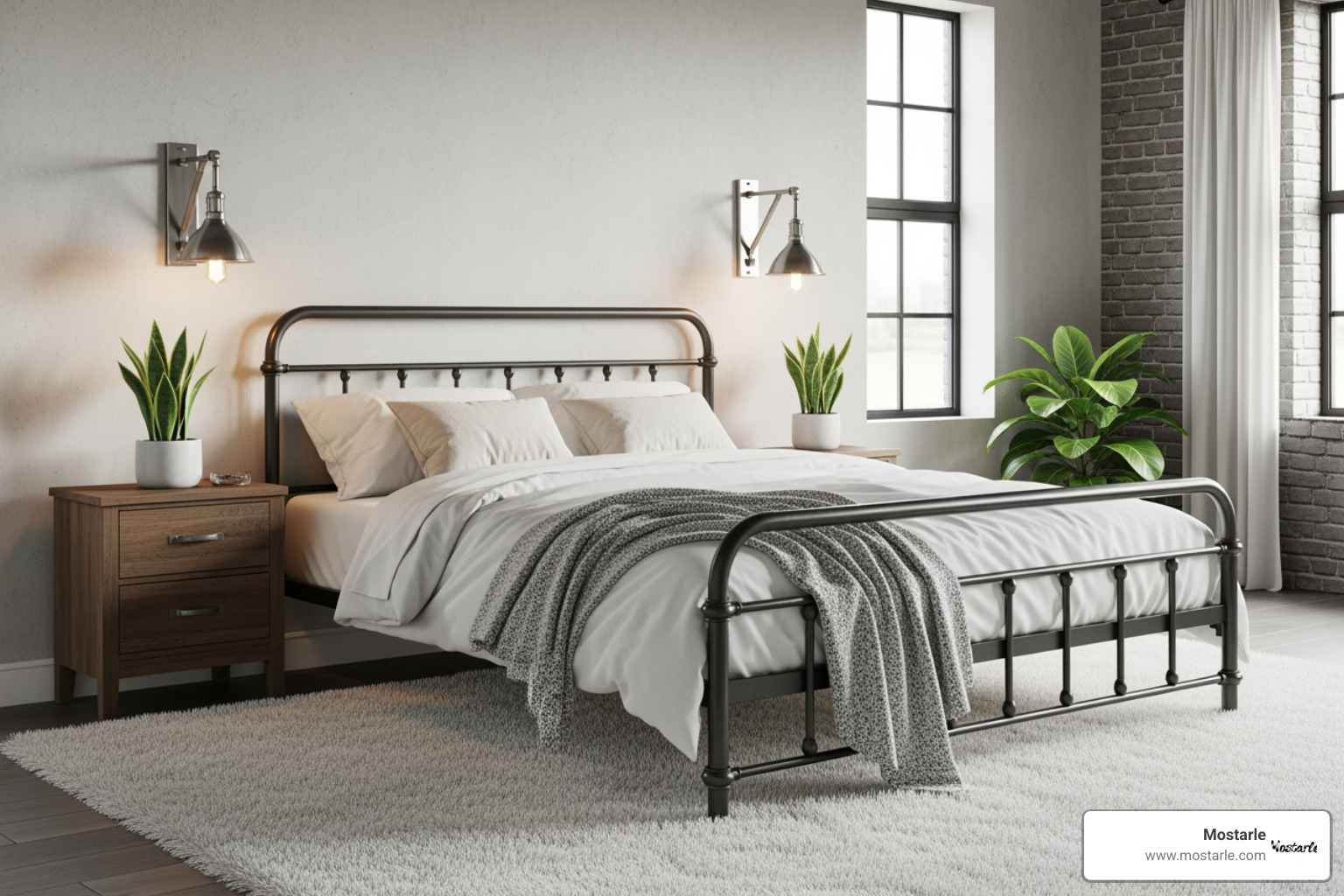
- Metal Bed Frames: A sleek, minimalist metal bed frame offers a clean silhouette that complements the look.
- Minimalist Nightstands: Simple wood or metal nightstands keep the bedside functional and uncluttered.
- Exposed Bulb Sconces: Wall-mounted sconces with exposed bulbs provide stylish, ambient light.
- Concrete Sinks or Vanities: A concrete sink or vanity adds an industrial edge, especially when paired with black metal fixtures.
- Black-Framed Shower Doors: A black-framed shower door adds a contemporary touch reminiscent of factory windows.
- Open Shelving: Open metal and wood shelving is great for storing towels and toiletries.
Mastering the Look: Common Mistakes to Avoid
While appealing, industrial style decor has potential pitfalls. The goal is an authentic, inviting space that balances the raw aesthetic with comfort. The "less is more" principle and personalization are key.
Tips for a Flawless Industrial Style Decor
Achieving a captivating industrial look requires a strategic approach.
- Start with a Neutral Base: Use a neutral base of grays, blacks, whites, and browns. This calm backdrop allows textures and forms to stand out.
- Mix Old and New: Blend vintage or salvaged pieces with modern elements for a layered, contemporary look.
- Prioritize Lighting: Proper lighting is crucial. Use a mix of ambient, task, and accent lighting with features like exposed bulbs and metal fixtures.
- Don't Be Afraid to DIY: DIY projects, like pipe shelving or decor from found objects, add authenticity. Our work at Mostarle, turning hardware into art, is a testament to this creativity. See how we celebrate Repurposed masterpieces: Crafting art from everyday tools.
- Incorporate Greenery: Plants are a simple, effective way to soften hard edges, add color, and bring life to the space.
- Accept Texture: Layering textures like concrete, brick, leather, and wood adds depth and makes the space more inviting.
Common Pitfalls and How to Fix Them
Avoid these common missteps to ensure your industrial decor is successful.
-
Making it Too Cold or Sterile: Over-relying on metal and concrete can make a space feel cold.
- Fix: Add warmth with soft textiles, wood tones, leather furniture, plants, and warm lighting.
-
Over-Cluttering with Decor: Too many small decor items can create clutter and undermine the minimalist aesthetic.
- Fix: Opt for a few large, impactful art pieces and prioritize functional decor.
-
Creating a "Theme Park" Look: Using too many literal factory elements can create a "theme park" look.
- Fix: Blend industrial pieces with other styles for a more sophisticated look. Focus on materials, not just motifs.
-
Ignoring Comfort: The style is rugged but shouldn't be uncomfortable.
- Fix: Use comfortable seating, soft rugs, and ensure frequently touched surfaces are pleasant.
-
Forgetting Scale and Proportion: Mismatched furniture scale can throw off the room's balance.
- Fix: Match furniture scale to the room size. Large spaces can handle oversized pieces; smaller rooms need streamlined items.
Frequently Asked Questions about Industrial Decor
Can industrial style work in a small apartment?
Yes. To adapt industrial style decor for small apartments, be strategic. Use metal-legged furniture to appear less bulky and wall-mounted shelves to save floor space. A neutral color palette and mirrors will make the space feel larger. Exposed-bulb lighting adds style without taking up room.
Is industrial decor expensive to achieve?
Not necessarily. The style's emphasis on raw and repurposed materials can be budget-friendly. Find authentic pieces at flea markets or take on DIY projects like pipe shelving. Focus your budget on a few key statement items, like a leather armchair or a unique pendant light, and supplement with more affordable pieces.
How do I mix industrial decor with other styles?
Industrial style decor mixes well with modern, minimalist, rustic, and bohemian aesthetics. The key is to find common ground (like a shared color or material) or create intentional contrasts. For example:
- Modern Industrial: Pair sleek modern furniture with raw industrial textures like exposed brick.
- Rustic Industrial: Combine rough-hewn wood and cozy textiles with metal accents for a warm, sturdy aesthetic.
- Minimalist Industrial: Accept the clutter-free nature of both styles by using a neutral palette and letting raw materials be the focus.
- Bohemian Industrial: Contrast hard industrial surfaces with soft, colorful textiles, layered rugs, and plenty of plants for a vibrant look.
Conclusion
Industrial style decor is more than a trend; it's a design philosophy built on authenticity, function, and raw materials. From its factory origins to modern popularity, its key characteristics—exposed structures, robust materials, and a neutral palette—create striking, grounded spaces.
The style's endurance comes from its adaptability. It can be integrated into any room or blended with other aesthetics. Its emphasis on repurposing and imperfection allows for creativity, where each element, from a reclaimed wood table to a metal sculpture, tells a story.
Industrial style celebrates raw beauty and function, turning ordinary spaces into remarkable ones. It proves elegance lies in the simplicity and honesty of materials. We invite you to accept this aesthetic and transform your own space. For those who appreciate the art of construction, Explore unique 3D metal puzzles and decor to find pieces that resonate with your vision.