Expert Support

Hardware Hacks: DIY Projects to Get Your Hands Dirty
Why Creative Building Kits Matter for Every Maker
Creative building kits are more than toys—they're tools for learning, stress relief, and self-expression. Whether you're looking for a hands-on hobby, a way to develop STEM skills, or a unique display piece, there's a building kit designed for your needs.
What to Know About Creative Building Kits:
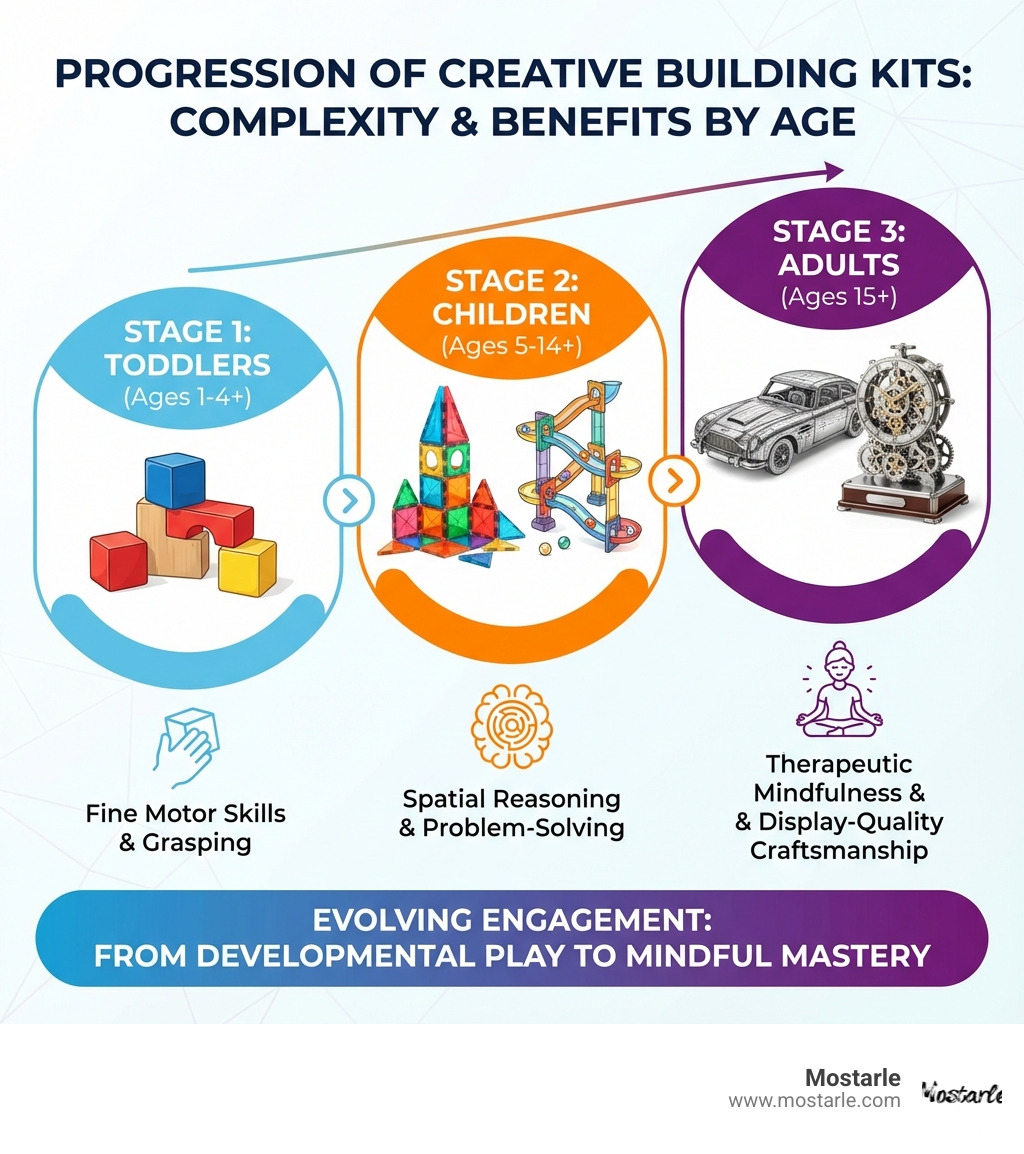
- For Kids (Ages 1-14): Wooden blocks, magnetic tiles, marble runs, and basic robotics develop fine motor skills, spatial reasoning, and problem-solving
- For Adults: 3D metal puzzles, DIY miniature houses, and mechanical models offer therapeutic benefits and stunning display pieces
- Materials: Options include plastic bricks, wood (laser-cut puzzles), metal (nuts and bolts models), and magnetic components
- Educational Value: Building kits teach STEM concepts, encourage creativity, and improve hand-eye coordination across all age groups
- Market Growth: The global construction toy market is projected to reach $15.8 billion by 2027, driven by demand for hands-on, screen-free activities
The joy of building something with your hands never gets old. Many of us remember the satisfaction of snapping together blocks as kids. That same creative spark exists in adults—it just needs the right outlet.
Today's building kits have evolved far beyond simple blocks. From architectural models that teach sustainable design to mechanical gear puzzles that move and function, these kits challenge your mind while your hands stay busy. Some builders find the process therapeutic, using intricate metal models as a form of mindfulness. Others display their finished creations as conversation-starting art pieces.
The beauty of modern building kits is their range. Parents can find age-appropriate options that genuinely develop their children's spatial skills and creativity. Adult hobbyists find detailed projects that demand focus and reward patience. And collectors hunt for limited-edition models that showcase exceptional craftsmanship.
Whether you're looking to unplug from screens, bond with family over a shared project, or simply create something beautiful with your hands, building kits offer a tangible way to express yourself and learn something new.
Must-know creative building kits terms:
- creative Christmas gifts
- gifts for artists
- handmade artisan gifts
More Than Just Play: The Developmental Power of Building
There's a reason why construction toys are consistently among the top-selling toy categories, with the global market projected to reach a staggering $15.8 billion by 2027. It's not just about keeping busy; it's about building brains. Creative building kits are powerful educational tools, recognized for their immense benefits in fostering crucial developmental skills in children and even adults.
At the heart of their value lies their ability to promote STEM (Science, Technology, Engineering, and Mathematics) skills. When we engage with a building kit, we're not just following instructions; we're actively problem-solving, experimenting with physics, and applying engineering principles. This hands-on engagement is particularly effective for learning, as supported by research from organizations like NASA's educational programs that emphasize hands-on activities. As we explore in our article, The Connection Between 3D Metal Puzzles and STEM Education, the act of constructing translates abstract concepts into tangible experiences.
Consider how popular building systems foster these skills:
- Spatial Reasoning: Manipulating pieces in three dimensions helps us understand how objects fit together in space. Whether it's stacking traditional blocks or arranging magnetic tiles to form a complex structure, our brains are constantly mapping and visualizing.
- Problem-Solving: Every build presents mini-challenges. A piece doesn't fit, a structure topples, or the next step isn't immediately obvious. These moments are opportunities to strategize, adapt, and overcome, honing our critical thinking and resilience.
- Fine Motor Development: The delicate act of grasping, placing, and connecting small components refines hand-eye coordination and strengthens the small muscles in our hands. This is vital for tasks like writing and drawing.
- Creativity and Imagination: Beyond following a blueprint, building kits encourage us to think outside the box. What if we add a tower here? Can this car fly? This open-ended exploration is where true creativity flourishes, leading to unique designs and innovative solutions.
- Imaginative Play and Storytelling: Once a structure is complete, it often becomes the stage for countless adventures. A castle built from interlocking bricks might house brave knights, a miniature house could host a tea party, or a space station could launch missions to distant planets. These creations become props that fuel imaginative narratives, helping us develop language skills and social understanding through role-playing.
The rising demand for DIY and craft kits, including creative building kits, reflects a growing interest in hands-on activities that offer both engagement and educational value. It's a testament to the enduring appeal of creating something from scratch and the rich learning experiences these kits provide.
A World of Creative Building Kits for Every Maker
The beauty of creative building kits lies in their incredible diversity, catering to every age, interest, and skill level. From chunky blocks for the littlest hands to intricate models that challenge seasoned hobbyists, there's a perfect kit waiting to spark joy and ingenuity.
For the Youngest Innovators (Ages 1-7)
For our youngest builders, the focus is on sensory exploration, basic construction, and developing foundational skills. We want kits that are easy to manipulate, safe, and colorful.
- Classic Wooden Blocks: These timeless toys are perfect for toddlers and preschoolers. They require no instructions, allowing for pure, authentic play. Stacking, arranging, and knocking down blocks helps develop early spatial reasoning, balance, and hand-eye coordination.
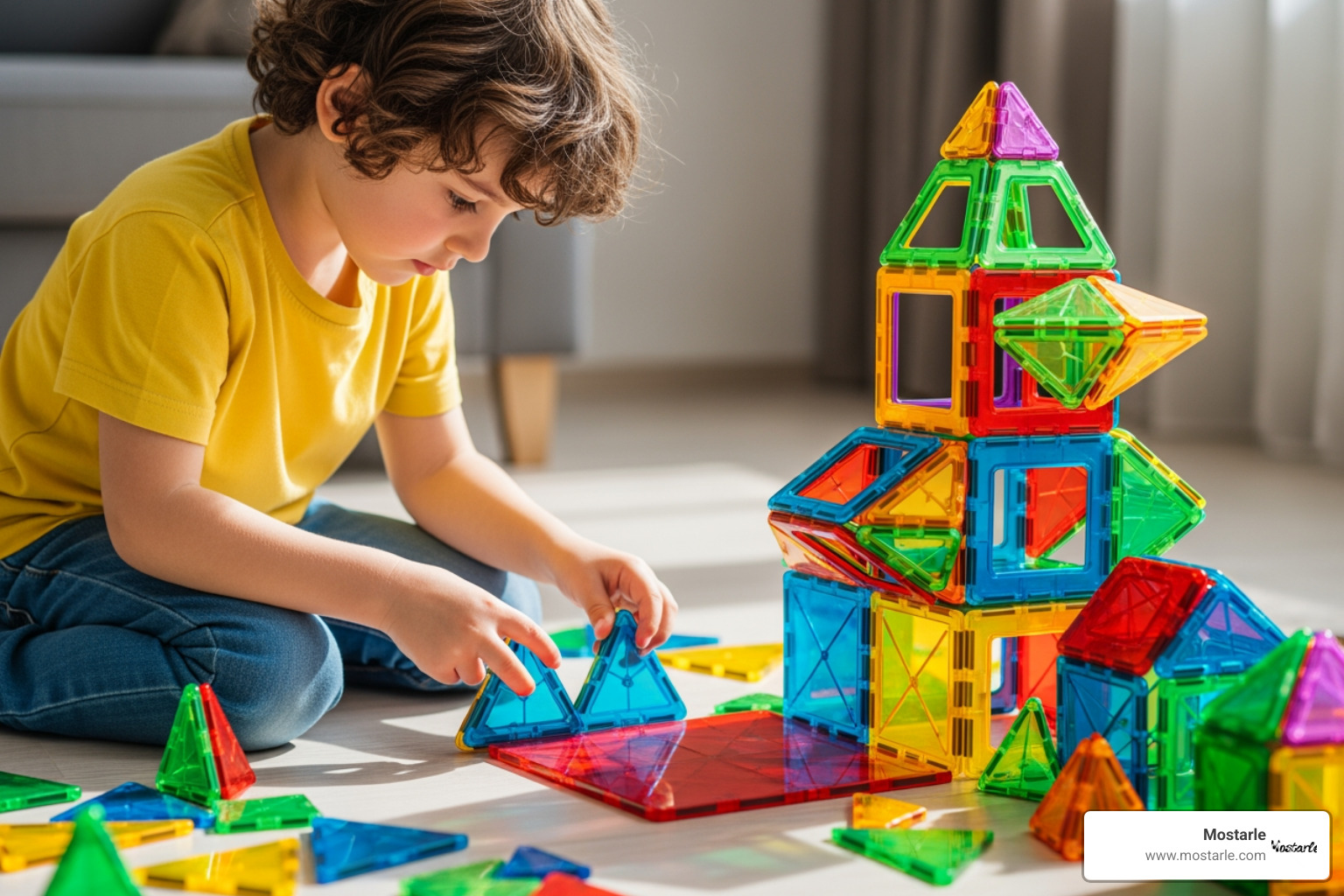
- Magnetic Tiles: These vibrant, translucent tiles snap together with magnets, making construction intuitive and satisfying. Children can build flat patterns or impressive 3D structures like castles, rockets, or abstract sculptures. This type of play significantly fosters creativity and introduces basic geometric concepts.
- Large Interlocking Bricks: Designed for small hands, these larger versions of traditional plastic bricks allow young children to connect pieces easily, building anything from simple towers to imaginative vehicles and figures. They encourage problem-solving and help improve fine motor control.
As kids challenge themselves to create bigger, more complex structures, they build resourcefulness and problem-solving abilities. This early engagement with puzzles helps improve children's problem-solving skills, setting a strong foundation for future learning, as highlighted in How Puzzles Help Improve Children's Problem-Solving Skills.
For the Aspiring Engineers (Ages 8-14)
As children grow, their cognitive abilities and fine motor skills advance, opening the door to more complex and challenging creative building kits that introduce engineering and design principles.
- Architectural Models: Some kits offer modular components to build scale models of houses, buildings, and even entire cities. These kits introduce concepts of structure, design, and even sustainable architecture, allowing young builders to explore environmentally friendly designs.
- Marble Runs: These captivating kits involve constructing elaborate tracks, tunnels, and ramps for marbles to travel through. They are fantastic for teaching cause and effect, gravity, and basic physics, as builders experiment to create the most efficient or exciting path.
- Basic Robotics Kits: Introducing the fundamentals of coding and mechanics, these kits allow children to build simple robots that can move, react to sensors, or perform basic tasks. They are an excellent entry point into technology and automation.
- Mechanical Gear Puzzles: These kits, often made from wood or plastic, focus on creating working mechanisms with gears, levers, and linkages. As explored in Beyond the Build: Exploring the World of Mechanical Gear Puzzles, they offer a fascinating glimpse into how machines function, fostering an understanding of mechanical engineering.
These kits are not just about assembly; they're about understanding how things work, experimenting with different configurations, and seeing designs come to life. They push young minds to be innovative problem-solvers and critical thinkers.
Creative Building Kits for the Adult Hobbyist
The world of creative building kits extends far beyond childhood. Many adults seek engaging and challenging building experiences, leading to a significant increase in demand for DIY and craft kits. These kits offer a rewarding escape, a chance to de-stress, and an opportunity to create stunning display pieces.
- Intricate 3D Puzzles: Whether made from wood, metal, or plastic, these puzzles often feature hundreds or even thousands of pieces, forming complex models of vehicles, landmarks, animals, or fantastical creatures. They demand patience, focus, and meticulous attention to detail. As we've discussed in Elevate Your Puzzle Game: Top 3D Puzzles for Discerning Adults, these are not just toys but sophisticated challenges.
- DIY Miniature Houses: Incredibly detailed miniature house kits are available, complete with tiny furniture, lighting, and accessories. These kits often evoke cherished memories or allow hobbyists to recreate dream spaces. We've heard heartwarming stories from our community, such as one builder who found solace and a way to cope with health issues through creating these intricate models, noting that building kits like these can be therapeutic and truly "save your life."
- Model Making: This broad category includes everything from scale models of cars, planes, and ships to sci-fi spacecraft and historical dioramas. These kits often require painting, gluing, and advanced techniques, appealing to those who enjoy a meticulous and immersive crafting experience.
- Collector's Items: Many adult builders are also collectors, seeking out limited-edition sets, highly detailed replicas, or models from specific franchises. The act of building these pieces is often part of the collecting experience, culminating in a prized display item.
For many, the therapeutic benefits of mechanical puzzles are a huge draw. As explored in The Healing Power of Mechanical Puzzles, the focused, repetitive nature of assembling intricate parts can be incredibly calming and a powerful antidote to daily stress. It's a mindful activity that allows adults to tap into their inner child's wonder while creating something truly impressive.
Beyond Plastic: Exploring Unique Building Materials
While plastic interlocking bricks are ubiquitous, creative building kits boasts an impressive array of materials, each offering a unique building experience and aesthetic. The choice of material often dictates the complexity, durability, and ultimate display quality of the finished model.
The Art of Wooden and Paper Construction
Wooden and paper-based kits offer a tactile and often eco-friendly alternative to traditional plastic. They bring a natural warmth and unique texture to finished models.
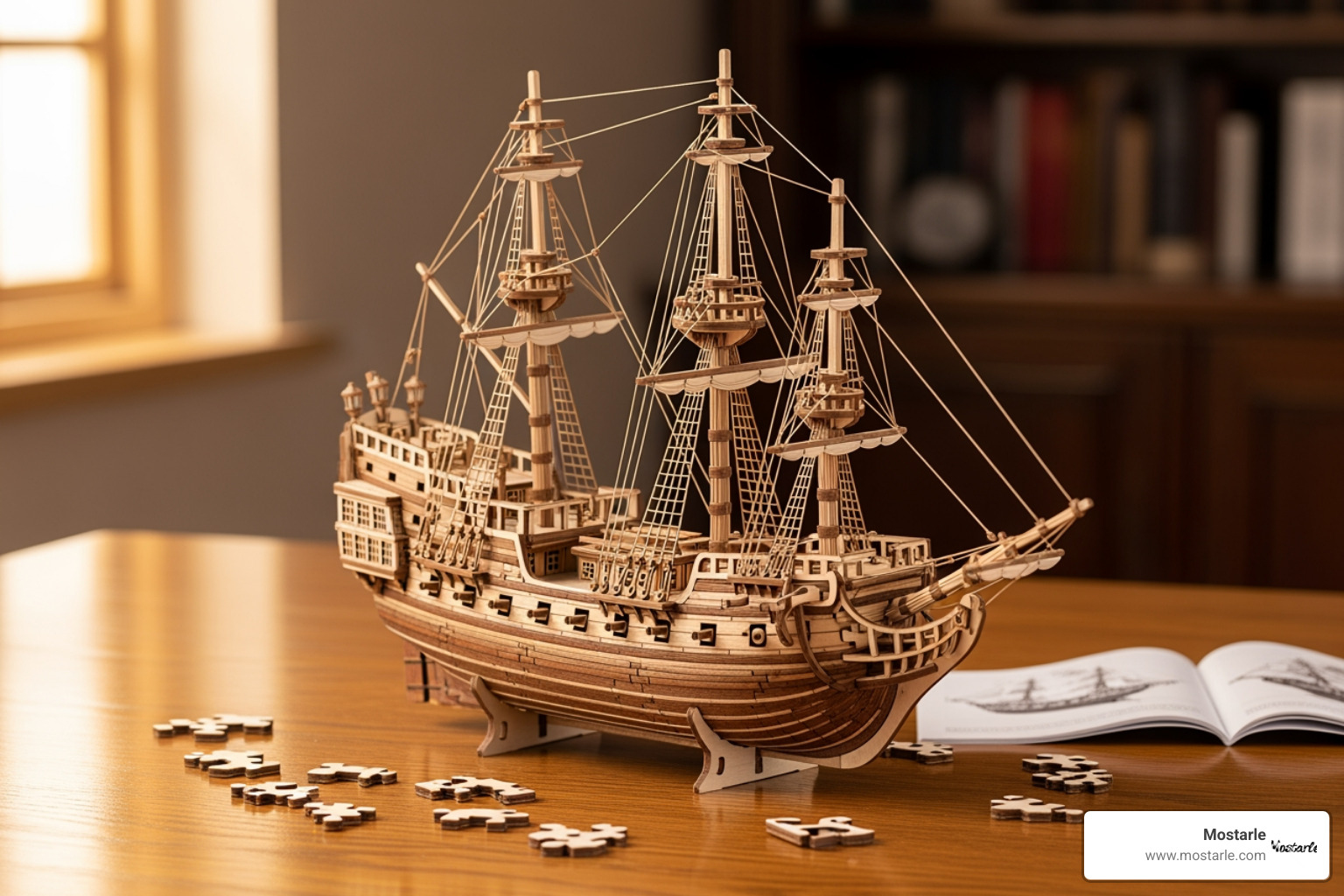
- Wooden 3D Puzzles: These kits often feature laser-cut precision pieces that interlock without glue, forming anything from animals and vehicles to complex mechanical devices and architectural wonders. The advantages over traditional blocks are immediately apparent: intricate detail, sophisticated mechanisms, and a beautiful natural finish. As detailed in 3D Wooden vs. 3D Metal Puzzles: Differences Explained, wooden puzzles offer a satisfying, organic building experience. Many brands focus on using eco-friendly sourced wood, making them a sustainable choice.
- DIY Miniature Houses: These often combine wooden components for structural elements with paper, fabric, and plastic for details. The result is an incredibly charming, realistic miniature scene. The detailed artistry involved in these kits allows for customization and personalization, making each piece truly unique.
- Papercraft Models: From simple origami to complex 3D paper models, these kits rely on folding, cutting, and gluing paper to create intricate shapes and figures. They are often lightweight, affordable, and can achieve surprisingly detailed results.
These materials lend themselves beautifully to projects that require a high degree of aesthetic appeal, often serving as decorative pieces once completed.
The Challenge of Metal and Hardware-Based Creative Building Kits
For those seeking a more robust and visually striking challenge, metal and hardware-based creative building kits offer a distinct and rewarding experience. This is where our passion truly shines.
- Metal Models: These kits typically consist of laser-cut metal sheets from which individual pieces are detached and then bent, folded, or connected using tabs and slots. The resulting models boast a sleek, industrial aesthetic and remarkable durability. As we explore in What Makes 3D Metal Puzzles Unique, the change of flat metal into a three-dimensional object is a captivating process.
- Hardware-Based Construction: This is where we at Mostarle come in, changing ordinary, forgotten fragments into remarkable, creative pieces. Our approach involves using everyday hardware like nuts, bolts, washers, and springs to construct unique models. Imagine building a detailed animal sculpture or a fantastical creature not from pre-formed plastic, but from the very components of a toolbox! This method offers unparalleled creative freedom and a truly distinctive aesthetic. The advantage over traditional building blocks is the sheer originality and the satisfaction of seeing mundane objects repurposed into art.
- Mechanical Models: Many metal kits, particularly those that incorporate hardware, are designed to be fully functional, featuring gears, linkages, and moving parts. This adds another layer of engineering challenge and the satisfaction of creating a working mechanism.
The durability of metal models ensures they stand the test of time, becoming enduring display pieces that spark conversation and admiration. They represent a blend of art and engineering, proving that creativity truly has no limits when you look at materials with a fresh perspective.
Frequently Asked Questions about Building Kits
We often get asked about the best ways to engage with creative building kits, whether for learning, relaxation, or simply for fun. Here are some of the most common questions we hear, along with our expert insights.
How do I choose the right kit to support STEM learning?
Choosing the right kit to foster STEM learning is a thoughtful process. It's not just about picking something labeled "STEM"; it's about finding a kit that genuinely engages the builder with scientific, technological, engineering, and mathematical concepts.
- Consider the Age and Interest of the Builder: A kit that's too complex can be frustrating, while one that's too simple might not challenge enough. Look for age recommendations, but also consider the individual's prior experience and current interests. For example, a child fascinated by space might thrive with a kit to build a rocket, even if it's slightly above their typical age range.
- Look for Mechanical Parts and Functionality: Kits that involve gears, levers, pulleys, or simple circuits inherently teach engineering principles. Robotics kits, even basic ones, introduce programming logic and how inputs translate to outputs. A kit that results in a moving or functional object offers a more tangible lesson than one that is purely structural.
- Check for Robotics or Coding Elements: For older children and teens, kits that integrate simple robotics or block-based coding can be incredibly powerful. These introduce fundamental computational thinking and problem-solving in a fun, interactive way.
- Read Reviews from Educators and Parents: Many educational toy websites and communities offer insights into how effective a kit is for learning. Look for reviews that specifically mention how the kit helps develop spatial reasoning, critical thinking, or problem-solving skills.
- Accept Open-Ended Play: While some kits have specific instructions, the best ones also encourage experimentation and modification. A kit that allows for multiple builds or encourages original designs will foster deeper learning and creativity.
The goal is to find a kit that sparks curiosity and provides opportunities for hands-on exploration. For a comprehensive guide on finding the perfect puzzle or kit, check out A Complete Guide to Finding & Buying the Right Puzzle for You (or Someone Else).
Can building kits be used for more than just construction?
Absolutely! Creative building kits are incredibly versatile and can be integrated into a wide range of educational and recreational activities beyond mere assembly. Their constructed nature makes them perfect props and tools for imaginative endeavors.
- Art Projects: Finished models can be customized with paint, markers, or additional decorative elements. A simple architectural model can become a canvas for exploring different art styles, textures, or even graffiti. We've seen incredible examples of how building kits can inspire the art of assemblage, changing individual pieces into a cohesive artistic statement.
- History Dioramas: Building kits are ideal for recreating historical scenes, landmarks, or events. Imagine building a miniature Roman coliseum, a medieval castle, or a replica of a historical train to bring history lessons to life. This hands-on approach makes learning history more engaging and memorable.
- Storytelling Props: Once built, models become fantastic characters, settings, or vehicles for imaginative play and storytelling. Children can create elaborate narratives around their constructed castles, spaceships, or animal figures, enhancing language development and creative writing skills.
- Stop-Motion Animation: The modular nature of many building kits makes them perfect for stop-motion animation projects. Characters and environments can be built, posed, and photographed frame by frame to create short films, introducing concepts of animation and filmmaking.
- Science Experiments: Marble runs, for instance, are not just for construction; they are dynamic tools for experimenting with physics concepts like gravity, momentum, and friction. Builders can modify their tracks to test hypotheses and observe outcomes.
By encouraging us to think of building kits as more than just a finished product, we open up their full potential as catalysts for creativity across various disciplines.
What are the benefits of building kits for adults?
The appeal of creative building kits for adults is rapidly growing, extending far beyond simple nostalgia. Many adults are finding the profound mental and emotional benefits that come from engaging in hands-on construction.
- Stress Relief and Mindfulness: In a world filled with digital distractions and constant demands, building kits offer a tangible, screen-free escape. The focused attention required to assemble intricate pieces can be a powerful form of mindfulness, helping to quiet a busy mind and reduce stress. As we discuss in Practicing Mindfulness: Why 3D Puzzles Make for a Valuable Tool, the process itself becomes a meditative practice.
- Improved Focus and Concentration: Tackling a complex building project demands sustained attention. This can help improve our ability to focus, a skill that translates positively into other areas of life, from work to personal tasks.
- Sense of Accomplishment: There's an immense satisfaction that comes from seeing a collection of disparate parts transform into a complete, intricate model. This sense of accomplishment boosts self-esteem and provides a tangible representation of our patience and skill.
- Cognitive Stimulation: Building kits challenge our brains in various ways – from spatial reasoning and problem-solving to following complex instructions. This cognitive workout can help keep our minds sharp and agile, regardless of age.
- Creative Outlet: For many adults, building kits provide a much-needed creative outlet, allowing them to express themselves without the pressure of traditional art forms. It's a low-barrier way to engage with design and aesthetics.
- Therapeutic Benefits: Anecdotes from our community highlight the therapeutic impact. For instance, one builder shared how engaging with a kit helped them steer a challenging period, emphasizing the emotional and mental healing power of focused creative work.
Whether it's for relaxation, mental exercise, or simply the joy of creating something beautiful, creative building kits offer a rich and rewarding experience for adults.
Conclusion: Build Your Next Masterpiece
From the simplest wooden blocks that teach our toddlers to the intricate metal sculptures that challenge adult hobbyists, creative building kits are a powerful tool for growth, learning, and self-expression. We've seen how they nurture essential STEM skills like spatial reasoning and problem-solving, ignite imagination for storytelling, and even provide therapeutic benefits for adults seeking mindfulness and stress relief.
The global market for construction toys continues to grow, a clear indicator of our collective desire for hands-on, engaging activities that offer a tangible sense of accomplishment. Whether you're selecting a kit for a budding engineer, an aspiring architect, or for yourself as a mindful escape, the options are more diverse and innovative than ever before.
The satisfaction of creating something tangible with our own hands never fades. It's a primal joy, a connection to craftsmanship, and a testament to the boundless potential of our creativity. So, are you ready to get your hands dirty and explore intricate models? We encourage you to dig deeper into the fascinating world of building.
Learn more about the art of 3D metal puzzles and find your next masterpiece.