
Unearthing the Beauty: What Makes a Great Metal Flower Sculpture?
What Is a Flower Metal Sculpture (And Why People Love Them)

A flower metal sculpture is one of the most striking ways to bring lasting beauty to any space — indoors or out. Unlike real blooms that fade, these pieces hold their form and color through every season.
Quick answer for those in a hurry:
- What it is: A decorative art piece shaped like a flower, crafted from metals like steel, copper, brass, or aluminum
- Where it's used: Gardens, patios, living rooms, hotel lobbies, public plazas, and more
- Common styles: Rustic rusted steel, painted garden art, 3D wall art, kinetic/moving sculptures, and recycled scrap metal designs
- Price range: Roughly $26 for small wall pieces up to $1,000+ for large custom outdoor sculptures
- Why people choose them: They never wilt, require minimal care, and make a bold visual statement year-round
Metal flowers come in an enormous range of forms. A handcrafted garden pansy made from 16-gauge recycled steel sits at one end of the spectrum. At the other end, you have monumental kinetic sculptures with motorized petals and thousands of LEDs. What connects them all is a simple idea: the enduring appeal of nature, captured in metal.
Artists around the world — from artisan workshops in Mexico and Peru to studios in North Carolina and Tennessee — are shaping, welding, and finishing metal into botanical forms that outlast any garden. Some use reclaimed industrial materials like diesel tanks and excavator parts. Others work with wafer-thin sheets of brass and copper, hand-polishing each petal to a warm glow.
The result is art that feels alive, even though it's made of steel.
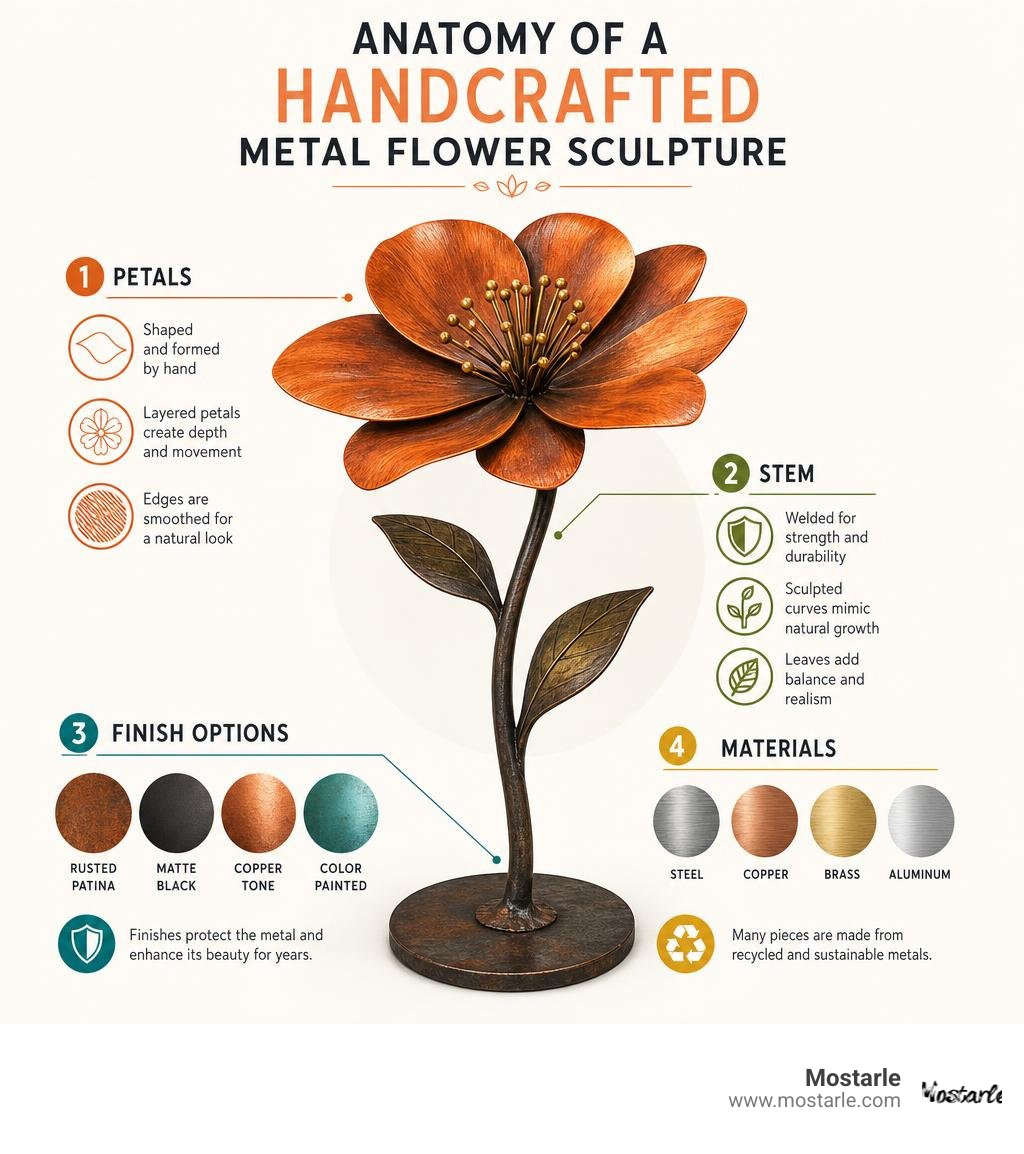
Flower metal sculpture terms simplified:
The Artistic Appeal of a Flower Metal Sculpture
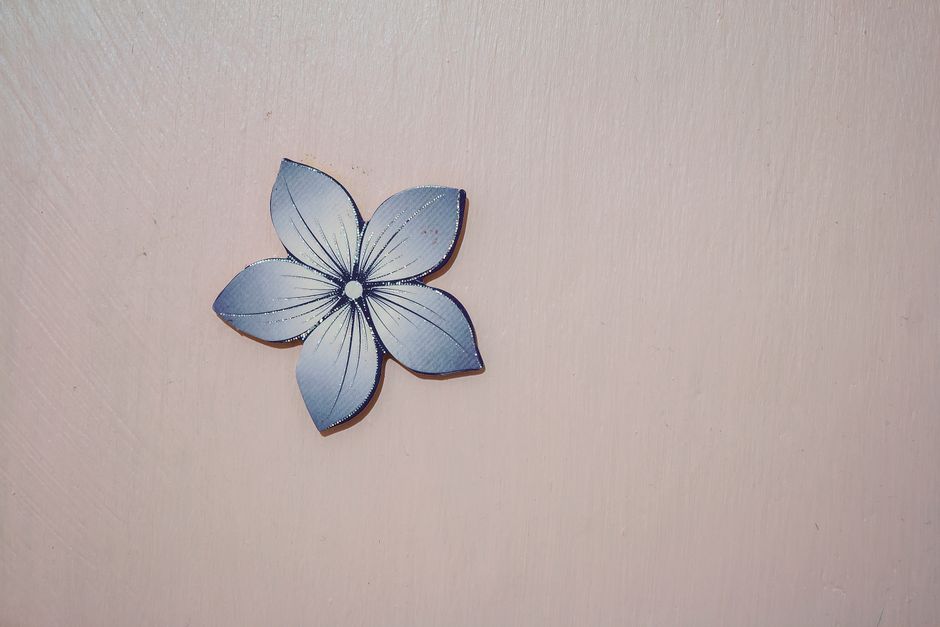
There is something inherently captivating about translating the soft, delicate curves of a botanical blossom into tough, unyielding metal. This contrast is exactly why a flower metal sculpture makes such a powerful statement. When we bring these pieces into our homes and yards, we are not just adding decoration; we are introducing a permanent celebration of organic form.
Beyond their undeniable style, these sculptures offer a surprising boost to our daily environments. Studies in environmental psychology show that botanical imagery—even when rendered in industrial materials—promotes a positive mood and reduces stress. It acts as a visual bridge to the outdoors. Whether you choose a minimalist silhouette or an intricate 3D design, incorporating Unique Metal Artwork into your living space transforms blank walls and quiet corners into vibrant conversation starters. From hand-hammered copper wall panels to intricate Fabricated Metal Art, these pieces capture the essence of spring and hold onto it forever.
Choosing the Perfect Flower Metal Sculpture for Your Garden
When designing an outdoor landscape, we often rely on seasonal plantings to provide color. But what happens when winter arrives? This is where outdoor botanical accents step in to save the day. A well-placed garden sculpture acts as a year-round anchor, providing structure and focal points when the rest of the garden is dormant.
For garden beds and pathways, lightweight yet durable metals work beautifully. If you want to dive deep into the best choices for outdoor environments, our Aluminium Garden Sculpture Complete Guide breaks down how different metals handle the elements. To explore a wide variety of botanical shapes specifically designed to withstand the rain and sun, you can browse through curated Sculptures Of Flowers for Gardens to find inspiration for your next backyard upgrade.
Indoor Elegance and Ethereal Wall Art
Indoors, metal floral art takes on a more refined, delicate role. High-end interior designers often turn to "tole"—the traditional 18th-century art of painting and gilding thin sheets of metal—to craft delicate, lifelike indoor botanicals. Artists cut wafer-thin sheets of brass, copper, and steel, gently curling and bending them to mimic the natural drape of a leaf or the soft curve of a rose petal.
These 3D wall sculptures do not just sit flat against the drywall; they cast soft shadows that shift throughout the day as the room's lighting changes. This creates an "ethereal" effect that flat canvases simply cannot replicate. For those who appreciate the intersection of fine art and metalwork, exhibitions like the Flower Metals at DMW Gallery, Antwerp - Art Viewer show how contemporary artists are pushing the boundaries of botanical metalwork in modern gallery spaces.
Popular Styles and Designs of Metal Flowers
The world of metal floral design is incredibly diverse. Because metal can be melted, forged, bent, and painted, artists are free to explore styles ranging from hyper-realistic to wildly abstract.
From Rustic Patina to Steampunk Mechanicals
For those who love a cozy, organic aesthetic, rustic steel is a perfect match. Many artisans create stunning yard art using raw or recycled steel that is intentionally allowed to rust. A prime example is the 3D Metal Flower Garden Sculpture – Rusted Steel Yard Art | Maker Table, which features interlocking steel pieces that slide together without tools to form a beautiful, weathered pansy or daisy. Over time, the environment paints these sculptures in rich shades of orange, amber, and deep brown.
On the opposite end of the design spectrum lies the fascinating world of steampunk and clockpunk. Instead of smooth, organic curves, these sculptures celebrate the machine age. Artists build mechanical flowers, insects, and abstract botanicals by assembling actual hardware components—like gears, washers, old bicycle chains, screws, and bolts. You can even find interactive DIY kits, such as 400-piece stainless steel piranha plants featuring built-in LED lights and openable mechanical mouths. If you are looking for quirky, mass-produced versions of these industrial blossoms, check out the selection of giant metal flowers - Bulgaria - Temu to see how these trends are spreading globally.
Monumental and Kinetic Public Sculptures
Sometimes, metal flowers step out of the private garden and onto the world stage. Monumental public sculptures use engineering and physics to capture the imagination of entire cities.
One of the most famous examples in the world is the massive Floralis Genérica in Buenos Aires. You can read all about its design and history on the Floralis Genérica - Wikipedia page. This giant steel and aluminum flower automatically opens its massive petals every morning and closes them at night, mimicking the natural circadian rhythm of a living blossom.
On a community scale, projects like the Fleur De LUX demonstrate how modern technology can bring art to life. This 18-foot-tall interactive metallic flower opens to a 25-foot span using heavy-duty linear actuators and features over 3,000 programmable LEDs. To learn more about the incredible engineering behind this project, take a look at the case study on the Fleur De LUX Giant Metallic Flower with Heavy Duty Actuators – Progressive Automations.
For commercial properties, hotels, and plazas looking for a permanent, non-moving statement piece, the Large Metal Flower Sculpture for Outdoor DZJ-554 offers a gorgeous, hand-polished titanium-antique finish that captures the fleeting moment of a bloom in solid, weather-resistant stainless steel.
Materials, Finishes, and Durability

Choosing the right material for your flower metal sculpture is crucial, especially if it is going to live outdoors. Different metals react uniquely to moisture, sunlight, and temperature changes.
| Metal Type | Outdoor Durability | Maintenance Level | Visual Appearance & Characteristics |
|---|---|---|---|
| Stainless Steel | Excellent (Highly rust-resistant) | Very Low | Modern, bright, highly reflective; can be polished to a mirror finish. |
| Mild / Raw Steel | Moderate (Will rust over time) | Low (If rust is desired) | Develops a warm, organic, earthy orange-brown rust patina. |
| Copper & Brass | Great (Corrosion-resistant) | Medium | Starts with a warm, metallic glow; slowly develops a classic green verdigris patina. |
| Aluminum | Excellent (Rust-free & lightweight) | Very Low | Sleek, modern, and highly versatile; perfect for windy areas where weight is a factor. |
Common Metals Used in Sculpting
Stainless steel and copper remain the gold standards for high-end outdoor sculptures due to their natural resistance to corrosion. However, artists also love working with softer, more pliable materials for detailed work. Lightweight wire is incredibly popular for capturing delicate stems and intricate petal outlines; you can read more about these techniques in our guide on Aluminum Wire for Sculpting.
For collectors looking for a classic, heavy, and incredibly prestigious option, bronze is unmatched in its longevity and historical value. Our article on The Enduring Beauty of Bronze Tree Sculptures You Need to Know explains why this copper alloy has remained a favorite of master sculptors for thousands of years. If you want to see how individual contemporary artists manipulate raw steel into delicate, organic shapes, the portfolios featured on Metal Flower Sculpture — - Paul Hanis - offer a fantastic look at the raw beauty of welded metal botanicals.
Protective Finishes and Patinas
How a metal sculpture is finished determines both its look and its lifespan. Here are the most common protective coatings:
- Powder Coating: A dry powder is applied electrostatically and cured under heat. It is VOC-free, highly resistant to UV rays, and provides a tough, colorful shield.
- Natural Rust Patina: Raw steel is treated or left open to the elements to form a layer of iron oxide. This layer actually helps protect the deeper metal from rapid degradation in dry climates.
- Titanium-Antique & Electroplating: High-end finishes that bond a thin layer of gold, titanium, or brass to stainless steel, giving it a luxurious, warm glow.
- Lacquer/Clear Coats: Often applied to painted metal sculptures to seal the paint and protect it from sun fading and moisture.
Craftsmanship, Customization, and Pricing
Every great metal sculpture starts with a skilled hand. Whether it is a mass-produced garden stake or a custom gallery piece, the level of craftsmanship directly influences the final cost. If you are considering commissioning a one-of-a-kind piece, our Bespoke Metal Sculptures Guide 2026 offers a comprehensive roadmap for working directly with artists.
The Craftsmanship Behind a Custom Flower Metal Sculpture
The creation process is a beautiful mix of heavy industrial work and delicate artistry. Sculptors use CNC plasma cutters or water jets to slice precise shapes from sheet metal, then use anvils, hammers, and English wheels to shape individual petals. Once the pieces are shaped, they are welded or bolted together.
For instance, handcrafted painted roses from Mexican artisans, such as those found in the Metal Art Rose Flower Sculpture MFLW004 - Camino Real Imports collection, showcase incredible hand-forging and vibrant lacquer finishes that bring a splash of regional culture directly to your yard. Other artists, like Miguel Mejia in Peru, use eco-friendly practices to weld discarded washers, tubes, and screws into beautiful "mechanical flowers," saving scrap metal from energy-intensive smelting processes.
Understanding Pricing and Value
Because the market ranges from small, mass-produced wall hangings to massive custom installations, prices vary widely.
- Budget ($25 - $80): Typically smaller, flat-packed, or mass-produced wall art and simple yard stakes.
- Mid-Range ($100 - $300): Handcrafted, multi-bloom garden sculptures (like 30-inch tall painted roses priced around $204) or high-quality DIY mechanical model kits.
- Premium ($500 - $1,500+): Large, multi-layered wall installations, heavy bronze castings, or custom-designed, weather-resistant garden focal points.
Frequently Asked Questions About Flower Metal Sculptures
How do I prevent my outdoor metal flower sculpture from rusting?
If your sculpture is made of mild steel and you want to prevent it from rusting, you should apply a high-quality, UV-resistant clear coat spray (such as polyurethane or Krylon clear shield) once a year. For stainless steel, aluminum, or powder-coated pieces, a simple wipe-down with a damp, soft cloth and mild soap is all that is needed to keep them clean and rust-free.
Can metal flower sculptures be customized to match specific botanical species?
Absolutely! Many metal artists specialize in botanical accuracy. By working with thin sheets of copper, brass, or steel, they can recreate the exact petal folds, stamen details, and leaf structures of specific flowers—from delicate Alaskian wild roses to complex prickly pear cacti.
What is the typical lifespan of a steel garden flower sculpture?
A high-quality steel sculpture can easily last 10 to 30+ years outdoors. Stainless steel and heavily powder-coated pieces will last the longest without structural degradation, while raw mild steel will slowly rust and thin out over several decades, especially in humid or coastal environments.
Conclusion
At Mostarle, we believe that art should have no limits. Our passion lies in transforming ordinary, forgotten fragments—the everyday nuts, bolts, and hardware that most people overlook—into remarkable, creative pieces. By breathing new life into recycled metal, we prove that even the toughest industrial scraps can bloom into something beautiful, eco-friendly, and completely unique.
Whether you are looking to assemble a challenging 3D mechanical model or simply want to appreciate the magic of metalwork, we invite you to explore our world. Dive into our guide on understanding-3d-metal-puzzles and discover how we turn simple hardware into everlasting works of art!